


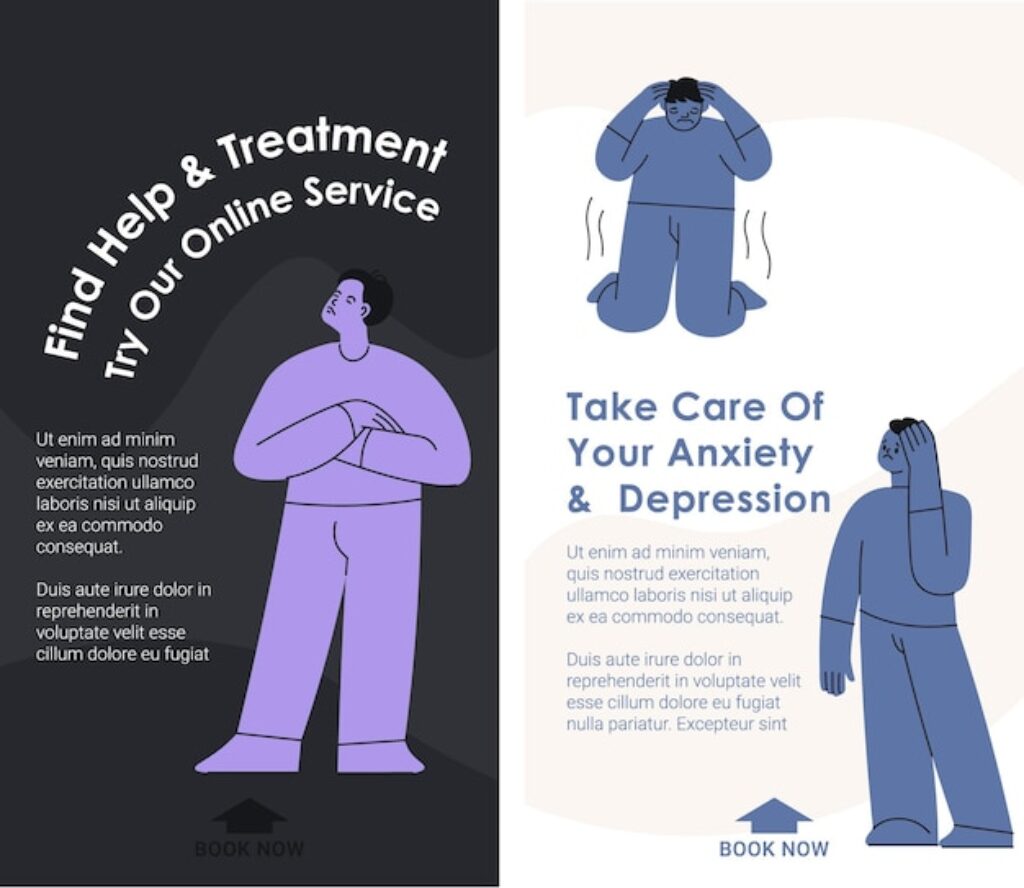
As I reflect on my own experiences and the conversations I’ve had with the men in my life, I can’t help but feel a sense of unease about the silence that often surrounds mental health. Picture this: a group of friends gathered, laughter spilling into the air, yet beneath the jovial facade, one of them seems distant, their smile not reaching their eyes. It’s in these moments that the stigma surrounding men’s mental health becomes palpable. Society often teaches us to tough it out, to hide vulnerabilities, leading many to suffer in silence.
Recognizing the signs of mental illness in males is not merely an act of compassion; it’s a necessary step toward breaking this cycle of silence and shame. Today, we’ll delve into the subtle cues and profound signs that often go unnoticed, emphasizing just how crucial it is to foster understanding and empathy surrounding men’s mental health. This topic deserves our attention, not just for the sake of those affected, but for the collective healing of our communities.
Understanding Men’s Mental Health
Common Signs of Mental Illness in Males
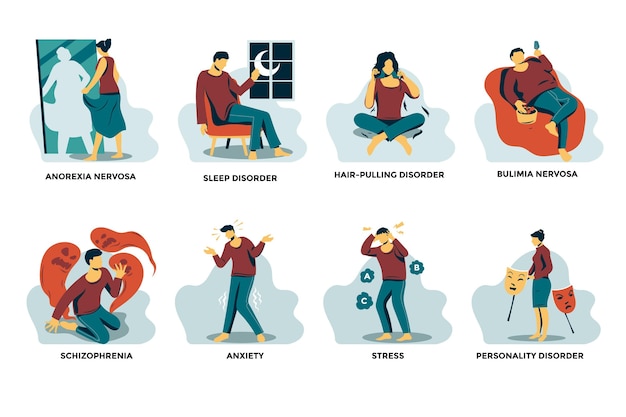
Recognizing the signs of mental illness in males is crucial for early intervention and treatment. Men often exhibit different symptoms compared to women, which can lead to misdiagnosis or delayed help. One prevalent sign is irritability or anger, often mistaken for a personality flaw rather than a mental health concern. This emotional volatility can signify underlying issues such as depression or anxiety.
Another important indicator is withdrawal from social interactions. Men may isolate themselves from friends and family, a behavior that can exacerbate feelings of loneliness and despair. Additionally, changes in sleep patterns, such as insomnia or excessive sleeping, frequently accompany mental health struggles.
Physical symptoms, including chronic pain, unexplained fatigue, or changes in appetite, can also be red flags. These manifestations sometimes serve as coping mechanisms for emotional distress. Pay attention to any significant alterations in work performance or increased substance use, which might suggest an attempt to self-medicate mental health issues.
Moreover, a decline in interest in previously enjoyed activities or hobbies can signal underlying mental illness. This withdrawal can be a subtle yet telling sign that should not be overlooked. Recognizing these signs early can pave the way for timely support and effective intervention, ultimately improving outcomes for men facing mental health challenges.
Common Signs of Mental Illness in Males
| Sign | Description | Possible Impacts |
|---|---|---|
| Irritability or Anger | Emotional volatility often misinterpreted as a personality flaw. | May lead to strained relationships and isolation. |
| Withdrawal from Social Interactions | Isolating oneself from friends and family. | Increases feelings of loneliness and exacerbates depression. |
| Changes in Sleep Patterns | Insomnia or excessive sleeping. | Can affect mood and cognitive function. |
| Physical Symptoms | Chronic pain, fatigue, or appetite changes. | May complicate emotional distress and mask underlying issues. |
| Decline in Work Performance | Notable changes in productivity or engagement at work. | Can lead to job loss or professional setbacks. |
| Increased Substance Use | Using alcohol or drugs to cope with emotional pain. | Risks dependency and worsens mental health. |
| Lack of Interest in Hobbies | Disinterest in previously enjoyed activities. | Can indicate deepening depression or anxiety. |
Impact of Stigma on Men’s Mental Health

Ways to Support Men’s Mental Health
Supporting men’s mental health is crucial, especially as many may struggle silently with their feelings. One practical tip is to foster open communication. Create a safe space where male friends or family feel comfortable expressing their thoughts without fear of judgment. Initiating conversations about how they are feeling can be an essential first step. You’re not only showing that you care, but you’re also helping them recognize that it’s okay to seek help.
Another helpful approach is to offer resources. Share information about counseling services or support groups specific to men’s mental health. Encouraging them to engage with these resources can empower them to take proactive steps towards healing. It’s not about pushing them into therapy but rather presenting it as a valid and beneficial option.
Additionally, regular check-ins can make a significant difference. Simple messages or calls to ask how they are doing can reaffirm bonds and demonstrate that their well-being matters to you. Showing consistent interest can make them feel less isolated during tough times.
Lastly, engage in shared activities that promote well-being, such as physical exercise, which is beneficial for mental health. Inviting them for a walk or to join a sports activity can serve as a subtle way to bond while positively influencing their mental state. Prioritizing these actions can create a network of support that ensures no one has to navigate their struggles alone.
Resources for Help and Support
Understanding mental illness is vital, especially among men who often face societal pressures to remain stoic. For those seeking help, numerous organizations and hotlines provide vital resources and support. The National Alliance on Mental Illness (NAMI) offers education and advocacy tailored for men grappling with mental health challenges. Their 24/7 helpline can connect individuals to local services.
The Men’s Health Network is another excellent resource, focusing specifically on men’s physical and mental well-being. They provide valuable information regarding mental illness and how to navigate the path to recovery.
Moreover, the Talkspace platform offers online therapy specifically designed for those who prefer a more approachable and accessible way to engage with mental health professionals. Utilizing their services can help men understand the signs of mental illness and develop coping strategies.
Equally important, could be the Veterans Crisis Line, which assists male veterans facing mental health issues, providing immediate support. It’s crucial that men know they’re not alone, and these resources are stepping stones towards better mental health.
Explore More Resources for Men’s Mental Health
For additional information on mental health resources specifically tailored for men, visit: SAMHSA – National Helpline.