

Understanding Men’s Mental Health Challenges
Signs of Depression in Men
Depression in men often manifests differently than in women, leading to a unique set of signs and symptoms that can be overlooked or misinterpreted. One common indicator is irritability; men experiencing depression might display heightened anger or frustration, which could be mistakenly attributed to personality issues rather than an underlying mental health crisis.
Changes in sleep patterns are also prevalent; men may experience insomnia or excessive sleep, both of which can significantly impact daily functioning. Additionally, withdrawal from social activities and relationships is a major behavioral change, as men may isolate themselves, further deepening their sense of despair.
Physical symptoms should not be ignored either; men may complain of unexplained aches and pains, which are often linked to psychological distress. Furthermore, a notable decrease in interest in previously enjoyed activities, such as hobbies or sports, can also signal a depressive state.
Lastly, the tendency to engage in risky behaviors, including substance abuse, is another alarming sign. It’s crucial to recognize these symptoms early, as addressing men’s mental health can lead to better outcomes, fostering a more supportive environment for recovery and resilience.
Practical Ways to Help Men with Depression
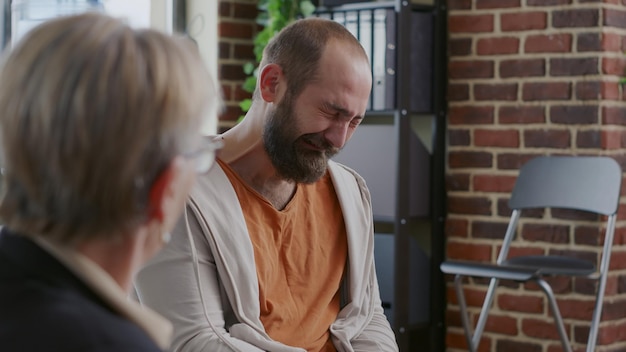
Next, consider accompanying them to professional appointments. This gesture can provide emotional support and show them that seeking help is a strength, not a weakness. Additionally, engage in regular check-ins. Simple texts or calls can remind them that you care and are available to listen when they need it.
Incorporate physical activities into your routine together. Exercise has proven benefits for mental health, and inviting them for a walk or a workout can uplift their spirits. Lastly, educate yourself on depression. Understanding the symptoms and effects can equip you with the tools to better support them, helping to minimize stigma and promote empathy in your interactions.
Resources for Supporting Men’s Mental Health
For those seeking to enhance their understanding and support of men’s mental health, numerous resources are available to guide individuals on this journey. Organizations such as the Men’s Health Network provide valuable insights and advocacy focused on issues impacting men’s mental health. Their website offers extensive information aimed at educating both men and their loved ones about the unique challenges they may face.
Another key resource is the National Suicide Prevention Lifeline, which offers 24/7 crisis support for those in distress. By calling 1-800-273-TALK (8255), individuals can connect with trained counselors who can help navigate their feelings and promote mental well-being.
Online platforms like Headspace and Calm not only promote mindfulness but also include tailored content aimed at reducing anxiety and improving mental resilience among men. Furthermore, websites such as Mental Health America provide screening tools that can help identify concerns before they escalate.
Support groups, both virtual and in-person, can be found through organizations like the American Psychological Association. These groups foster shared experiences and connection, ensuring that no one feels isolated in their journey. Accessing these resources is an essential first step towards healing and empowerment for men facing mental health challenges.
Explore Additional Resources for Men’s Mental Health
For further guidance and support, consider visiting a resource that offers an abundance of information on mental health issues specific to men: MentalHealth.gov – Mental Health Facts.
Together Toward Healing: A Path Forward
In conclusion, addressing men’s mental health, particularly the challenge of depression, is not just important but essential. This article illuminated the stigma that often hinders men from seeking help, revealing how societal expectations can trap them in silence. By recognizing the signs of depression and understanding the behavioral changes that may arise, friends and family can play a crucial role in fostering an environment of support. We’ve also outlined practical actions anyone can take to help, from simple conversations to encouraging professional care.
As we move forward, it’s imperative that we collectively challenge the narratives surrounding men’s mental health. Let us encourage each other to seek help, share our experiences, and highlight available resources. Together, we can create a supportive community where men feel empowered to confront their struggles and embrace the path to recovery. Let’s take action—because every step taken towards supporting men’s mental health is a step towards healing.


