

As I sit in a quiet café, I can’t help but notice the subtle weight many men carry on their shoulders. Statistics reveal a disconcerting truth: around 1 in 8 men experience mental health issues, yet only a fraction seek help. It makes me reflect on my own journey—how I once believed vulnerability was a weakness rather than a pathway to healing. The pressures to conform to traditional masculine ideals often leave us feeling isolated, battling silent struggles that many around us may not even recognize.
In a society that often stigmatizes emotional expression, men grapple with the fear of judgment, choosing to mask their feelings rather than confront them. Whether it’s the pressures of work, family responsibilities, or societal expectations, the challenges can feel insurmountable. This article aims to shed light on these issues, unlocking the door to understanding male mental health support and encouraging a dialogue that is long overdue.
Understanding Male Mental Health
Barriers to Seeking Help
Barriers to seeking help for mental health are particularly pronounced among men, largely fueled by societal norms and cultural expectations. From a young age, many males are taught to embrace ideals of toughness, stoicism, and self-reliance. These deeply ingrained beliefs can foster a reluctance to acknowledge emotional struggles, as doing so may be seen as a sign of weakness.
Additionally, men often fear judgment from peers, which can intensify feelings of isolation. The stereotype that men must remain emotionally invulnerable stands in stark contrast to the reality that mental health issues affect individuals irrespective of gender. This dichotomy creates a barrier that discourages men from pursuing the support they desperately need.
The perpetuation of these cultural expectations can lead to detrimental consequences, not only for the individual but also for society as a whole. By prioritizing harmful norms over mental well-being, the cycle of silence and suffering continues unchecked, underlining the urgent need to challenge these barriers and promote a more open dialogue around male mental health support.
Effective Support Systems for Men
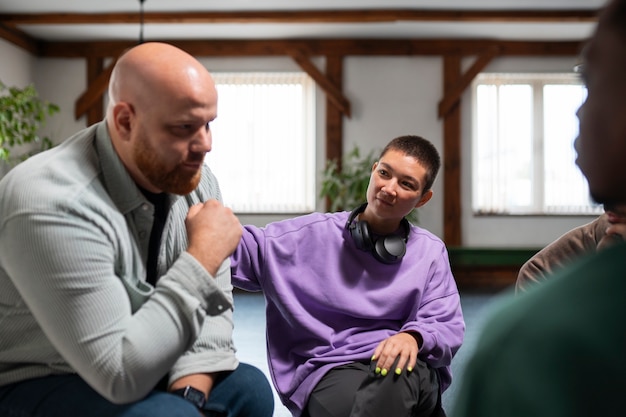
Support groups provide another vital resource, offering a community space where men can share experiences and strategies for coping with mental health challenges. Whether facilitated by a trained professional or peer-led, these groups foster camaraderie and understanding, reducing the sense of loneliness that often accompanies mental health struggles.
Additionally, community resources play a significant role in supporting men’s mental health. Many local organizations offer workshops, seminars, and outreach programs designed specifically for men, focusing on building resilience and well-being. These resources not only provide emotional support but also practical tools for navigating life’s challenges, promoting a holistic approach to mental health care.
Building Resilience: Coping Strategies
Another effective strategy is to establish a support network. Men often benefit from connecting with peers who understand their struggles. Participating in group activities or support groups can foster camaraderie and provide helpful outlets for sharing experiences.
Physical activity also plays a significant role in managing mental health. Regular exercise releases endorphins, which are known to alleviate stress and boost mood. Whether it’s hitting the gym, going for a run, or playing a sport, finding a routine that feels enjoyable is key.
Additionally, journaling can be a powerful tool for self-reflection. Writing down thoughts and feelings allows for greater clarity and can help identify triggers for stress or anxiety.
Lastly, seeking professional help when needed is an important aspect of male mental health support. Therapy or counseling can equip men with coping strategies tailored to their unique challenges. Embracing these methods can lead to increased resilience and improved mental well-being.
Inspiring Insight
“The wound is the place where the Light enters you.” – Rumi
This quote beautifully encapsulates the journey of overcoming life’s adversities. It serves as a reminder that our struggles, though painful, can lead to profound growth and enlightenment. Embracing practices like mindfulness, physical activity, and seeking support not only helps in healing but also opens pathways to newfound strength and resilience. Just as the light enters through our wounds, so too can healing begin through intentional self-care and connection with others.
The Role of Relationships in Mental Health
The Critical Role of Supportive Relationships in Male Mental Health
Building and maintaining strong connections can significantly enhance emotional resilience and overall mental well-being in men.
:strip_icc()/gettyimages-1069160216-25b58efcd2ff48e7a45086322884877f.jpg)
Empowering Men: The Path to Mental Wellness
In conclusion, understanding male mental health is not just about acknowledging the issues; it’s about dismantling the barriers that prevent men from seeking essential support. Throughout this article, we’ve explored the societal stigmas, cultural expectations, and the vital role of strong relationships in shaping mental wellness. It is clear that proactive steps towards improving mental health can have a profound impact on overall wellbeing.
Men must recognize the importance of seeking help, whether through professional therapy, support groups, or healthy friendships. By doing so, they not only pave the way for their own resilience but also contribute to a cultural shift that prioritizes mental health. Remember, taking the initiative towards mental wellness is a sign of strength, not weakness.


