

This revelation propelled me to explore meditation more seriously, aiming not just for a momentary escape, but for lasting change. In this article, I invite you to join me as we delve into the intricacies of how to meditate properly, unlocking a sense of tranquility that goes beyond mere relaxation.
Understanding Mindfulness and Its Benefits
Research indicates that engaging in mindfulness can lead to significant improvements in mental well-being. By centering thoughts and practicing acceptance, men can enhance their emotional resilience. This shift not only promotes better coping strategies but also encourages more meaningful relationships, making mindfulness an essential practice for those seeking true calm amidst life’s demands.
Preparing for Meditation
Additionally, setting the right mindset is crucial before you begin. Prior to meditation, take a moment to breathe deeply and release any stress. Acknowledge your thoughts without judgment; this acceptance creates a more open environment for meditation. Visualize your intention for the session, whether it’s achieving calmness, clarity, or insight.
Tools such as incense, candles, or calming music can further enrich the experience. Choose scents that promote tranquility, like lavender or sandalwood, to enhance your sensory engagement. Remember, meditation is a personal journey, and customizing your space according to your preferences can significantly improve your focus and results.
Step-by-Step Guide to Proper Meditation
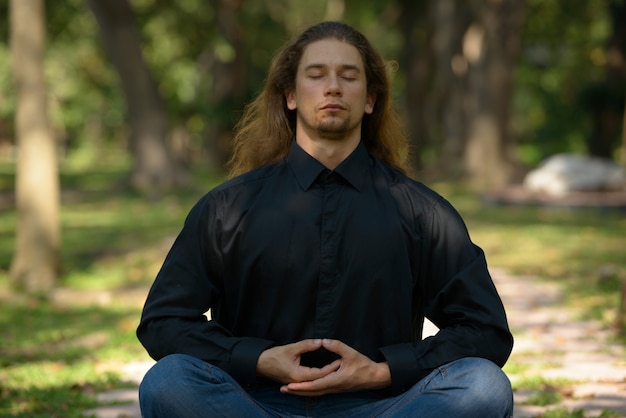
Set a timer for your meditation session, especially if you’re a beginner. Start with short durations, around 5 to 10 minutes, allowing yourself to gradually increase the time as you become more comfortable. You can use guided meditations available through apps or online platforms to support your practice. They often provide structure and focus that can be beneficial for those starting out.
As you progress, experiment with different techniques such as body scanning, where you mentally check-in with each part of your body, or visualization, where you imagine a peaceful scene. Both methods help deepen relaxation and enhance your mindfulness. Remember, meditation is a personal journey; there’s no right or wrong way to do it. What matters most is consistency and cultivating a sense of non-judgmental awareness in your practice.
Finally, integrate mindfulness into your daily life. Moments of mindfulness don’t have to be limited to your meditation time. Whether eating, walking, or simply breathing, bring your awareness to the present moment. This practice fosters a greater sense of calm and can significantly enhance your overall mindfulness journey. As you continue to meditate and experiment, you’ll find techniques that resonate with you, unlocking deeper levels of clarity and tranquility in your life.
Common Mistakes to Avoid
Additionally, many men overlook the value of consistency. Skipping sessions or practicing sporadically can impede the benefits of meditation. Establishing a regular routine, even if it’s just a few minutes a day, fosters a deeper engagement with the practice and promotes lasting mindfulness.
Lastly, some practitioners may obsess over their thoughts, believing that a quiet mind is the ultimate goal. Instead, it’s essential to acknowledge and accept thoughts as they arise without judgment. Embracing this mindset reduces frustration and encourages a more profound connection to the present moment. By recognizing these common mistakes and implementing strategies to address them, individuals can enhance their meditation journey and unlock true calm.
Frequently Asked Questions About Meditation Practices
Here are some common questions that can enhance your understanding and effectiveness in meditation.
- 1. How long should I meditate to see results?
- The duration can vary, but starting with just 5-10 minutes a day can be effective. Gradually increase the time as you become more comfortable.
- 2. What should I do if I find it hard to stay focused during meditation?
- It’s normal for the mind to wander. Gently bring your focus back to your breath or a mantra each time it strays. Consistency will help improve focus over time.
- 3. Can I meditate in a noisy environment?
- While it’s ideal to find a quiet space, you can still meditate in a noisy environment. Use headphones to listen to calming music or white noise to help concentrate.
- 4. Is there a specific time of day that is best for meditation?
- The best time is when you can dedicate time without interruptions. Many people find morning meditation sets a positive tone for the day, but choose a time that works best for you.
- 5. What should I do if I experience difficult emotions during meditation?
- Allow yourself to feel those emotions without judgment. Acknowledge them, and then gently refocus on your breath or mantra, accepting that they are part of the process.
Enhancing Your Practice: Advanced Techniques
Explore More Advanced Mindfulness Techniques
If you’re interested in diving deeper into effective meditation techniques, check out this resource: Headspace – Advanced Meditation Techniques.


