
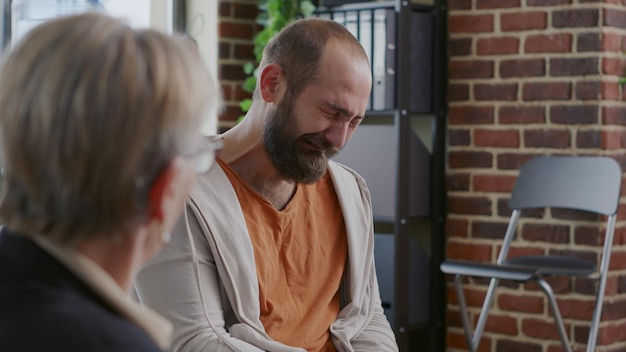
It’s no secret that men’s mental health has become a crucial topic of discussion in recent years. As I delve into the concerns surrounding depression among men, I find myself grappling with both a sense of urgency and a profound perplexity. We live in a society where the stigma attached to mental health is palpable, often leaving men in isolation, struggling beneath the weight of their emotions. For too long, traditional notions of masculinity have silenced their voices, creating barriers that make it difficult for them to seek help.
This article aims to shine a light on this pressing issue, breaking down those barriers and addressing the challenges men face when it comes to discussing their mental health. By exploring insights into men and depression, I hope to provide actionable guidance and support that empowers them to seek the help they deserve. Recognizing the signs and understanding the available resources is vital in navigating these turbulent waters, and together, we can foster a culture that encourages open dialogue and healing.
Understanding Men and Depression
Depression among men is a significant yet often overlooked issue that manifests uniquely compared to women. Studies suggest that while women are more frequently diagnosed with depression, men face a staggering prevalence of mental health challenges often masked by stereotypes of masculinity. Approximately 1 in 10 men report experiencing depression, but this number might be underrepresented due to societal pressures that discourage emotional vulnerability.
Common misconceptions surrounding men’s mental health contribute to this discrepancy. Many believe men do not experience depression as intensely as women, or that emotional expression is a sign of weakness. In reality, men often exhibit symptoms of depression in more externalized ways, such as anger or irritability, rather than sadness. Understanding these dynamics is crucial for providing effective support.
Statistics reveal that men are significantly less likely to seek help for mental health issues, with around 70% of men not reaching out for support. This reluctance to ask for help leads to devastating outcomes, including higher rates of suicide among men. It’s vital to challenge these stereotypes and foster an environment where men feel safe to discuss their mental health struggles openly.
Signs of Depression in Men
Recognizing the signs of depression in men can be a complex endeavor, as societal expectations often discourage them from expressing vulnerability. Common symptoms may include persistent sadness or feelings of emptiness, making it crucial for loved ones to remain vigilant. Additionally, men experiencing depression may exhibit irritability or anger, often masking their underlying emotional pain.
Physical symptoms such as fatigue, changes in sleep patterns, or significant weight fluctuations can also signal depression. A marked decline in interest in previously enjoyed activities, coupled with withdrawal from friends and family, further underscores the importance of early recognition. These behaviors not only reflect an internal struggle but also highlight the necessity for timely intervention.
It’s essential to understand that these signs can manifest differently in men compared to women. For instance, men may be more prone to engage in risky behaviors or substance abuse as coping mechanisms. Addressing these symptoms promptly is vital in providing the appropriate support and resources, ultimately empowering men to seek help and reclaim their mental health.
How to Support Men Dealing with Depression

Next, educate yourself about depression and its impacts. Understanding the signs and symptoms can help you identify when a loved one may be struggling. Avoid clichés or dismissive remarks like “just cheer up”; instead, validate their feelings and reassure them that seeking help is a sign of strength.
Additionally, encourage them to engage in activities that promote mental health, like exercising together or participating in hobbies they enjoy. Suggest seeking professional help, such as therapy or counseling, and offer to assist in finding resources. Reaching out to local mental health organizations can provide valuable tools and support for both the individual and their loved ones.
Lastly, be patient and maintain regular check-ins. Depression can be a long journey, and ongoing support can make all the difference. Celebrate small victories alongside them, fostering hope and resilience in their recovery process.
Therapeutic Approaches for Men
Breaking the Stigma
Creating safe spaces, both online and offline, allows men to express feelings without fear of judgment. Support groups tailored for men can facilitate these conversations, promoting camaraderie and mutual understanding. Furthermore, integrating mental health education in schools and workplaces can challenge stereotypes and encourage young men to seek help earlier. This proactive approach not only dismantles stigma but also equips individuals with tools to manage their mental health effectively.
Encouraging open dialogue about mental health leads to increased awareness and potentially saves lives. As we collectively work towards shifting the narrative, we pave the way for men to confidently express their emotions and reach out for help when needed. By investing time in these conversations and advocating for systemic change, we can cultivate a culture where men’s mental health is prioritized and treated with the seriousness it deserves.
Further Resources on Men’s Mental Health Advocacy
To deepen your understanding of the importance of addressing men’s mental health issues, explore this valuable resource: MentalHealth.gov – Learn About Mental Health.


