Home Blog Page 14

Unlocking the Secrets of Male Energy

0

What if I told you that understanding male energy could transform not only your personal relationships but also your career trajectory? In today’s complex world, male energy plays a pivotal role that extends far beyond traditional notions of masculinity. It influences how we interact, lead, and connect with others. As I dive into this fascinating topic, I invite you to explore with me the profound impact male energy has on our lives, from intimacy and friendship to professional dynamics and societal structures.

This exploration isn’t merely theoretical; it’s rooted in the challenges and triumphs we all experience daily. In my journey, I’ve witnessed firsthand how harnessing this energy can lead to breakthroughs in self-awareness and interpersonal connections. Let’s unlock the secrets of male energy together, discovering not only its relevance today but also how it can empower us to elevate our understanding of ourselves and others.

What is Male Energy?

Male energy is a multifaceted concept often associated with traits traditionally linked to masculinity, such as assertiveness, strength, and courage. It reflects a dynamic force that drives individuals to pursue goals, overcome challenges, and assert their presence in the world. This energy is not exclusively male; rather, it exists within everyone, influencing behaviors, decisions, and interactions.

Characteristics of male energy include decisiveness, resilience, and a sense of purpose. It promotes action-oriented behavior, encouraging individuals to take initiative and lead with confidence. In daily life, male energy may manifest through career ambitions, physical activities, or even assertive communication styles, shaping how one navigates relationships and personal challenges.

The expression of male energy can vary significantly across cultures and contexts, illustrating its adaptable nature. For some, it might emerge through competitive sports or leadership roles; for others, it could be reflected in protective instincts or mentoring relationships. Understanding male energy is vital for recognizing its impact on both personal development and societal interactions.

The Importance of Understanding Male Energy

Understanding male energy is crucial for emotional and mental well-being, as it encompasses a unique blend of assertiveness, purpose, and resilience. Recognizing this energy allows individuals to embrace qualities traditionally associated with masculinity, such as confidence and determination, while maintaining a balance with compassion and empathy. The significance lies not only in personal development but also in fostering healthier relationships. When one understands and harnesses male energy, it creates a space for healthy expression, promoting open communication and emotional awareness. This balance can lead to improved stress management, increased productivity, and a more profound sense of fulfillment in both personal and professional spheres, ultimately enhancing overall quality of life.

How Male Energy Affects Relationships

male energy

Male energy significantly influences personal relationships and social dynamics, often manifesting in assertiveness, protection, and ambition. This energy can foster a sense of safety and security, allowing partners to express vulnerability without fear. Yet, a lack of balance can lead to dominance, overshadowing the emotional needs of others. Understanding this dynamic is crucial for cultivating healthier interactions.

When male energy is channeled positively, it becomes a source of motivation and support, enhancing collaboration and deepening connections. Conversely, if unresolved, it can trigger competition and conflict. Recognizing the nuances of male energy allows individuals to navigate their relationships more effectively, promoting harmony in both personal and social settings.

Moreover, societal perceptions of male energy shape expectations in relationships. Traditional views often equate masculinity with emotional stoicism, which can hinder authentic communication. By challenging these norms and redefining what it means to embody masculine energy, individuals can create more fulfilling connections based on mutual respect and understanding.

Practical Ways to Embrace Male Energy

Embracing male energy can be a transformative journey, allowing individuals to connect with a vital source of strength and confidence. One practical way to start is by setting clear goals. Establishing objectives fosters determination, which is a key aspect of male energy. Write down your goals and visualize the steps toward achieving them. This clarity provides direction and purpose.

Another effective method is engaging in physical activities. Exercise, whether lifting weights or practicing martial arts, channelizes male energy through movement and discipline. These activities not only promote physical health but also bolster mental resilience.

Additionally, cultivating assertiveness is crucial. Practicing communication techniques that express your needs and opinions confidently can enhance interpersonal dynamics. Consider role-playing scenarios or journaling your thoughts to practice articulating them clearly.

Lastly, meditation and mindfulness practices help balance and ground male energy. These techniques encourage self-awareness and emotional regulation, preventing aggressive or overly dominant expressions of energy while promoting a more harmonious balance.

Balancing Male and Female Energies

Balancing male and female energies is crucial for achieving holistic well-being. Male energy, often characterized by assertiveness, logic, and action, complements female energy, which embodies intuition, empathy, and nurturing. When these energies harmonize, individuals can experience emotional stability, improved relationships, and enhanced creativity.

Neglecting either energy can lead to an imbalance, resulting in stress, anxiety, or a sense of disconnection. For instance, an overemphasis on male energy may foster aggression or rigidity, while an excess of female energy might induce passivity or indecision. Thus, recognizing and nurturing both energies within ourselves and in our interactions can lead to a more fulfilling, balanced life.

Moreover, societal norms often pressure individuals to conform to rigid gender roles that may overshadow the intrinsic values of both energies. By embracing the full spectrum of male and female energies, we cultivate a deeper self-awareness, enabling us to navigate life’s complexities with grace and resilience. This powerful equilibrium supports personal growth and enriches our interactions with others.

Explore the Balance of Energies in Personal Growth

Understanding how to navigate and embrace both male and female energies can significantly enhance your personal development journey: Psychology Today – The Power of Balancing Masculine and Feminine Energy.

Harnessing Your Male Energy for Growth

In conclusion, understanding and embracing male energy is essential for personal empowerment and emotional well-being. The article has outlined the nuanced characteristics of male energy, highlighting its profound influence on our daily lives, relationships, and social interactions. By recognizing the significance of tapping into this energy, individuals can foster healthier connections and enhance their emotional resilience.

Furthermore, the discussion on balancing male and female energies emphasizes the need for a holistic approach to personal growth. It is crucial for readers to embark on their journey of self-discovery, embracing the transformative power of male energy while ensuring harmony with the feminine aspects of their being.

Now is the time to take action. Begin your exploration of male energy today and unlock the secrets that lie within, leading to a more empowered and balanced life.

Unlocking the Power of Male Energy

0

Have you ever paused to consider what male energy truly means? It’s more than just a concept; it’s a vital force that shapes our personal development and influences our relationships. Understanding male energy can unlock pathways to self-discovery, confidence, and balance. As I delved deeper into this topic, I was struck by how awareness of this energy not only drives personal growth but also enhances our connections with others.

By exploring the dynamics of male energy, we can learn to harness its power effectively. This journey isn’t just for those seeking improvement; it’s for anyone who values deeper insights into themselves and their interactions. Join me as we unravel the essence of male energy and its remarkable impact on our lives.

Defining Male Energy

Male energy, often referred to as masculine energy, embodies a dynamic and assertive force within individuals, characterized by traits such as decisiveness, strength, and a propensity for action. This energy promotes leadership and a goal-oriented mindset, driving individuals to pursue objectives with determination. Key characteristics of male energy include confidence, rational thinking, and an affinity for structure and boundaries.

In contrast, female energy is generally associated with nurturing qualities, emotional intelligence, and a more fluid approach to life. While female energy emphasizes connection and empathy, male energy often focuses on independence and self-sufficiency. Understanding these distinctions is crucial for personal growth, as both energies coexist within us, influencing our behaviors and interactions, thereby shaping our identities and relationships.

The Importance of Male Energy in Life

Male energy plays a crucial role in various aspects of life, often serving as a driving force behind relationships, careers, and personal development. In the realm of relationships, for instance, male energy embodies traits such as assertiveness, protection, and leadership. These qualities can create a sense of stability and safety, fostering deeper emotional connections between partners. Conversely, it is essential to balance this energy with nurturing attributes to form healthier relationships.

In a professional context, male energy is often associated with ambition, determination, and competitiveness. These traits can propel individuals toward success, pushing them to pursue goals and overcome challenges. However, recognizing the value of collaboration and empathy is equally important, as these feminine energies complement male energy, leading to more holistic approaches to work.

On a personal development level, male energy encourages self-discipline and resilience, motivating individuals to take risks and step outside their comfort zones. This powerful drive fosters growth and encourages a proactive mindset, essential for achieving personal objectives. Yet, integrating some softer, reflective aspects of personal energy can lead to a more balanced and fulfilling journey.

How to Harness Male Energy

male energy

To effectively harness male energy, start by recognizing its characteristics—assertiveness, confidence, and decisiveness. Embrace these qualities by setting clear goals and striving for achievement. Create a vision board to visualize your aspirations, making your objectives tangible. This practice not only clarifies your intentions but also fuels your motivation.

Engagement in physical activities, such as martial arts or team sports, can channel male energy constructively. These activities promote discipline, focus, and camaraderie, aligning with traditional masculine traits. Moreover, consider incorporating daily routines that challenge your limits, whether through intense workouts or competitive games.

On a mental level, cultivating a mindset of resilience is crucial. Acknowledge setbacks as opportunities for growth. Journaling about your experiences and reflecting on your emotional responses can deepen your understanding of this powerful energy and enhance self-awareness.

Additionally, connect with other like-minded individuals to bolster your journey. Participate in workshops or discussion groups focused on masculine energy. Sharing experiences can provide fresh insights and inspire you to embrace your authentic self more fully. Remember, harnessing male energy is a continuous journey of self-discovery and expression.

Common Misconceptions About Male Energy

Many misconceptions surround the concept of male energy, often reducing it to simplistic ideas of aggression and dominance. These myths can overshadow the true essence of male energy, which is rooted in qualities such as strength, assertiveness, and the ability to nurture. It’s essential to challenge the notion that male energy solely equates to being harsh or overpowering. In reality, it encompasses a balanced spectrum of traits that promote both leadership and compassion.

Another prevalent myth is that male energy is inherently toxic or harmful. This belief stems from societal narratives that focus on the negative expressions of masculinity. However, positive manifestations of male energy include confidence, resilience, and the capacity for deep emotional connection. Understanding this duality is vital for appreciating the complexity of male energy.

Moreover, many people assume that only men can embody male energy, which is a misconception that limits both genders. Female energy can integrate masculine traits, demonstrating that these energies are not strictly bound by gender. Everyone possesses a unique blend of both energies, and understanding this can foster healthier relationships and personal growth.

By debunking these myths, we pave the way for a more nuanced understanding of male energy. Embracing its positive aspects can lead to enhanced self-awareness and empowerment, challenging traditional stereotypes while encouraging a balanced expression of all energies within individuals.

The Balance of Male and Female Energies

Balancing male and female energies within oneself is a profound journey that significantly impacts overall well-being. The concept is rooted in the belief that every individual embodies both masculine and feminine traits, which, when harmonized, enable personal growth and resilience. Male energy often represents action, assertiveness, and logical thinking, while female energy embodies intuition, empathy, and nurturing. Striking a balance between these energies allows a person to harness the strengths of both sides, leading to healthier relationships and enhanced emotional intelligence.

This equilibrium contributes to reduced stress, improved mental clarity, and increased creativity. Individuals embracing both energies are more adaptable, capable of navigating the complexities of life with confidence. Furthermore, this balance fosters a sense of completeness, promoting self-acceptance and inner peace, both vital for holistic wellness.

The journey to harmonizing these energies also encourages mindfulness, pushing individuals to explore their identities and challenge societal norms. By nurturing the interplay between male and female energies, one can break free from rigid gender roles and discover a more authentic self. Ultimately, this balanced approach not only enriches personal lives but also cultivates empathy and understanding in broader societal interactions.

Explore Gender Energy Balance Techniques

For those seeking to deepen their understanding of balancing male and female energies, a wealth of resources is available: Psychology Today – Unlocking the Potential of Masculine and Feminine Energies.

Embracing the Essence of Male Energy

In conclusion, the exploration of male energy reveals its essential characteristics and the unique role it plays in our lives. We have discussed how understanding male energy not only empowers individuals but also enriches relationships, careers, and personal growth. Recognizing the strength and clarity that male energy provides can be transformative, enabling better decision-making and fostering a sense of purpose.

Moreover, it is crucial to challenge the common misconceptions that surround male energy, as these myths can hinder our understanding and development. By debunking these myths, we can appreciate the true power of male energy and its coexistence with female energy, fostering a balanced approach to our inner dynamics.

As you reflect on your own energy dynamics, consider how embracing male energy can enhance your personal empowerment and strengthen your connections with others. Engage actively in this journey of discovery, and unlock the potential that lies within your unique energy interplay.

Boost Your Confidence: Overcoming Fear of Rejection

0

As a man navigating the complexities of life, I’ve often found myself grappling with self-doubt and the fear of rejection. Confidence is not just a desirable trait; it is essential for personal growth, relationships, and career advancement. Research shows that nearly 60% of men report feeling uneasy about expressing their feelings or pursuing new opportunities due to this fear. It’s a staggering number that reflects how deeply rooted this fear can be in our psyche.

Addressing the fear of rejection is crucial if we want to lead fulfilling lives. It’s not merely about facing a rejection; it’s about empowering ourselves to take risks, embrace vulnerability, and step into our potential. Remember the words of author and motivational speaker Brené Brown: “Vulnerability is the birthplace of innovation, creativity, and change.” Finding ways to overcome our hesitations can lead us toward a more confident, rewarding existence.

Understanding Fear of Rejection

The fear of rejection can be defined as an intense apprehension or anxiety about being dismissed or unwanted by others. This emotion is particularly potent among men, who often face societal pressures to project confidence and strength. When a man fears rejection, it can lead to feelings of inadequacy and low self-esteem, causing him to shy away from social interactions, romantic pursuits, or professional opportunities.

Psychologically, this fear can manifest in various ways, including avoidance behaviors, overthinking, and heightened vulnerability. A man suffering from this fear may engage in negative self-talk, convincing himself that he is unworthy of acceptance or love. These internal dialogues can create a vicious cycle, where fear dictates actions, further entrenching feelings of rejection.

Emotionally, the fear of rejection often results in heightened anxiety, sadness, and even anger, creating a barrier to authentic connections. Men may feel isolated or misunderstood, compounding their fear and reinforcing their reluctance to engage with the world. Understanding these dynamics is crucial for anyone looking to boost their confidence and effectively learn how to overcome fear of rejection.

The Impact of Fear on Male Confidence

Fear can be a formidable barrier to male confidence, particularly when it’s intertwined with the fear of rejection. Studies suggest that this fear can significantly dampen self-esteem, leading to social avoidance and missed opportunities. For instance, a survey by the American Psychological Association found that nearly 60% of men reported anxiety over potential rejection in social situations. This anxiety not only affects day-to-day interactions but also hinders the pursuit of romantic relationships, reinforcing a cycle of low confidence.

Personal anecdotes often highlight these struggles. One man shared how his panic over being turned down for a date led him to retreat from social settings, exacerbating feelings of isolation. As he began to confront this fear, his confidence slowly started to rebuild, illustrating the transformative power of facing rejection head-on. Learning how to overcome fear of rejection isn’t just about tackling a single hurdle; it’s about reshaping one’s self-image and recognizing personal worth beyond the opinions of others.

Practical Strategies to Overcome Fear of Rejection

how to overcome fear of rejection

Fear of rejection can be a significant barrier to building confidence, especially for men navigating social interactions and relationships. To combat this anxiety, consider adopting a few practical strategies. First, practice desensitization by exposing yourself gradually to situations where rejection is possible. Start small—strike up conversations with strangers in casual settings, like cafes or parks. Over time, this will help normalize the experience and reduce its emotional impact.

Secondly, reframe your mindset around rejection. Instead of viewing it as a personal failure, see it as an opportunity for growth. Each rejection offers valuable lessons that can strengthen future interactions. Embrace a growth mindset by reminding yourself that everyone faces rejection and that it does not define your worth.

Additionally, develop strong self-compassion. Engage in positive self-talk and remind yourself of your strengths and achievements. This internal validation can lessen the sting of rejection. Consider journaling your successes and areas for personal growth to reinforce a positive self-image.

Lastly, seek support from friends or mentors. Discussing your fears can often alleviate their power. They can share their experiences with rejection and provide perspective and encouragement. Remember, facing the fear of rejection is a journey. With persistence and the right strategies, you can cultivate resilience and confidence in all areas of your life.

Building Lasting Confidence

Overcoming the fear of rejection can be a transformative experience, fostering a deeper sense of confidence in various aspects of life. When individuals learn to navigate this fear, they often discover that the world is more welcoming than they anticipated. Each encounter becomes a chance to grow, leading to a plethora of richer life experiences. This shift encourages a mindset that prioritizes personal growth over setbacks, emphasizing that rejection is merely a stepping stone rather than an endpoint.

Understanding Rejection Through Visual Insights

Explore this insightful video that delves into overcoming the fear of rejection and building resilience.

To maintain this newfound confidence, it’s essential to develop long-term strategies. Practicing self-compassion allows individuals to treat themselves with kindness when faced with rejection, reducing the emotional impact. Setting gradual, achievable goals can also reinforce a sense of accomplishment, while seeking supportive communities facilitates shared experiences. These strategies create a robust framework that nurtures confidence, enabling individuals to confront fear with resilience. Ultimately, building lasting confidence is not just about overcoming fear; it’s about embracing life’s unpredictability and learning to thrive within it.

Empowering Yourself Beyond Rejection

In this article, we journeyed through the intricate landscape of fear of rejection, exploring its profound emotional and psychological impacts on men. We uncovered how this fear can significantly undermine overall confidence levels, often leading to missed opportunities and inhibited personal growth. With practical strategies in hand, we learned actionable ways to confront and overcome this fear, from reframing rejection to embracing vulnerability in social interactions and relationships.

Now, as we reach the conclusion, it’s vital to reaffirm the significance of conquering this fear. Overcoming rejection is not just a pathway to greater confidence; it’s an invitation to a richer, more fulfilling life. Each small step you take—whether practicing assertiveness or challenging negative self-talk—can propel you toward uncharted territories of self-assurance and resilience.

So, take that brave leap! Embrace the possibility of rejection as a stepping stone rather than a stumbling block. Remember, every experience enhances your capacity to grow and succeed. Go forth, armed with courage, and unlock the confident man that resides within you!

Unlock Your Potential: Become a Leader at Work

0
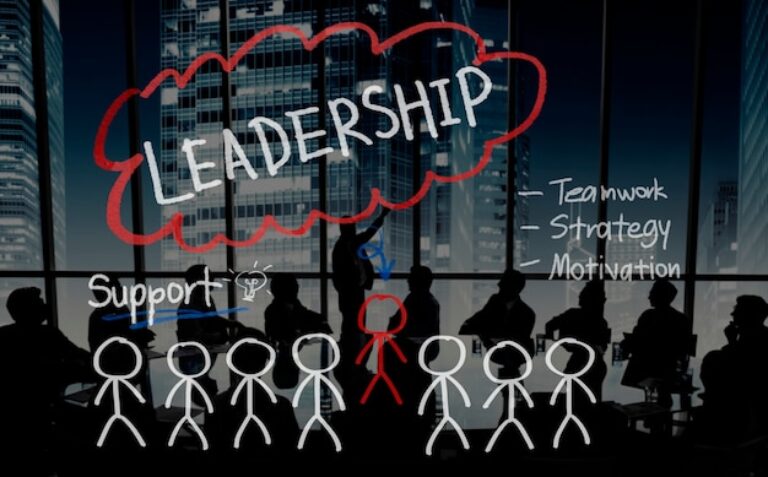
As I reflect on my journey in the workplace, I often find myself pondering the profound impact of effective leadership. Did you know that businesses with strong leadership can achieve 25% higher productivity? This statistic resonates deeply, highlighting how pivotal leadership is, especially for men aspiring to excel in their careers. Leadership isn’t just about holding a title; it’s about influence, vision, and the ability to inspire those around you. As I embarked on my path to becoming a leader, I discovered that this role opens doors to remarkable opportunities—enhancing not only my career trajectory but also enriching my personal development. Understanding how to become a leader at work can truly unlock your potential and set you on the path to unparalleled success.

Understanding Leadership

Leadership in the workplace encompasses the ability to inspire, motivate, and guide a team towards achieving common goals. For men, embodying leadership qualities can have a profound impact on career advancement. It entails not only demonstrating authority but also fostering collaboration and inclusivity. Effective leadership involves emotional intelligence, adaptability, and a clear vision, cultivating a positive work environment that enhances team performance. Men stepping into leadership roles often find that their ability to connect with colleagues and navigate challenges effectively positions them favorably for promotions and recognition. By developing these skills, they can unlock their potential, paving the way for greater responsibilities and success in their careers.
Understanding leadership is particularly vital for men in the modern workplace, where traditional notions are evolving. Today’s leaders are expected to be not just decision-makers but also empathetic communicators who actively listen to diverse perspectives. When men embrace these leadership attributes, they contribute to a culture of respect and inclusivity, essential for fostering innovation. This shift leads to improved team dynamics, driving performance and productivity. Moreover, as male leaders champion collaboration, they enhance their reputations, attracting further opportunities for professional growth. Ultimately, mastering the art of leadership not only advances an individual’s career but also transforms the organizational culture.

Key Traits of Effective Leaders

Effective leaders often exhibit a unique blend of traits that set them apart in the workforce. One of the most crucial qualities is decisiveness. Successful leaders can analyze situations quickly and make informed decisions, providing clarity to their teams. This trait not only builds trust but also enhances the overall productivity of the workforce.

Another essential characteristic is emotional intelligence. Understanding and managing one’s emotions, along with empathizing with others, allows leaders to navigate complex interpersonal dynamics. This quality fosters a supportive environment where team members feel valued and heard, promoting collaboration and innovation.

Additionally, strong communication skills are vital. Leaders who articulate their vision clearly and engage their teams inspire confidence. Effective communication also involves active listening, ensuring that leaders remain attuned to the needs and concerns of their workforce, paving the way for a more cohesive working atmosphere.

Integrity is yet another cornerstone trait of effective leadership. Leaders who demonstrate honesty and strong ethical principles cultivate respect among their peers. This characteristic not only strengthens team morale but also establishes a sense of accountability within the group, encouraging everyone to strive for excellence.

Ultimately, resilience plays a pivotal role in leadership. The ability to adapt to challenges and persist in the face of adversity is what distinguishes remarkable leaders from the rest. By embodying these traits, men can unlock their potential and inspire others, paving their paths toward becoming influential leaders in the workplace.

How to Develop Leadership Skills

how to become a leader at work

Enhancing leadership skills is a journey that requires intention and practice. First, assess your current skills and identify areas needing improvement. Setting clear, actionable goals will guide your development. Start by engaging in reflective practices; journaling about your leadership experiences can provide valuable insights into your strengths and weaknesses. Seek feedback from colleagues to understand different perspectives on your leadership style.
Next, consider taking leadership courses or workshops that focus on essential skills like communication, conflict resolution, and strategic thinking. Many online platforms, such as Coursera or LinkedIn Learning, offer programs tailored to aspiring leaders. Additionally, reading books on leadership, such as “Leaders Eat Last” by Simon Sinek or “Dare to Lead” by Brené Brown, can further expand your understanding of effective leadership practices.
Another practical step is to volunteer for leadership roles within your organization or community. Leading a project or team can provide firsthand experience and confidence. Additionally, find a mentor who exemplifies strong leadership qualities; they can offer guidance and share their experiences to help you navigate challenges.
Lastly, join or create peer groups where leadership can be discussed openly. Networking with other aspiring leaders will foster a support system and share valuable resources and strategies. Remember, becoming a leader at work not only enhances your career success but also positively influences those around you.

Overcoming Challenges to Leadership

Leadership presents a myriad of challenges, particularly for men aiming to ascend the corporate ladder. One prevalent obstacle is the stigma associated with vulnerability. Many men feel pressured to embody toughness, which can hinder authentic connections with teams. To overcome this, men can practice emotional intelligence by sharing personal experiences, fostering trust and encouraging open communication.

Another significant barrier is the fear of failure. This anxiety can paralyze decision-making abilities and stifle innovation. Embracing a mindset that views failures as learning opportunities can catalyze growth. For instance, leaders who openly discuss their setbacks often inspire their teams to take calculated risks, enabling a culture of creativity and resilience.

Additionally, a lack of mentorship can impede career advancement. Men may find it challenging to seek guidance in an environment that values independence over collaboration. Actively seeking mentors, whether through networking events or professional organizations, can provide valuable insights and support. Establishing these relationships is crucial for navigating the complexities of leadership.

Lastly, balancing work-life demands often poses a hurdle. The pressure to excel in professional spheres can detract from personal commitments, leading to burnout. Implementing time-management strategies, prioritizing self-care, and setting boundaries is vital. By fostering a sustainable work-life balance, men can enhance their leadership effectiveness while maintaining personal well-being.

The Role of Networking in Leadership

Networking plays a pivotal role in leadership development, acting as a catalyst for career success. Building a robust professional network allows individuals to connect with diverse industry leaders, gain insights, and gather essential resources. This melting pot of ideas and experiences fosters innovation and encourages adaptive thinking, critical traits for effective leadership.

By engaging with mentors and peers, aspiring leaders can acquire valuable feedback and guidance, empowering them to refine their skills continuously. Networking also opens doors to new opportunities, increasing visibility within an organization and beyond. These connections can lead to partnerships, collaborations, and even potential job offers, underscoring the importance of cultivating relationships in the professional realm.

Moreover, a well-established network can enhance a leader’s credibility, providing a support system during challenging times. As leaders navigate complex workplace dynamics, the ability to reach out for advice and assistance from trusted contacts can significantly impact their decision-making process and overall effectiveness. Ultimately, effective networking is not merely about collecting contacts; it’s about nurturing meaningful relationships that contribute to long-term success.

The Transformative Power of Networking in Leadership

Strengthening connections not only cultivates professional growth but can be a game-changer for leadership effectiveness.

Networking in Business

Embrace Leadership: Your Path Awaits

In conclusion, unlocking your potential to become a leader at work is not just a possibility; it is an achievable goal that requires dedication and proactive steps. Throughout this article, we explored the essence of leadership and its profound impact on your career advancement. By embracing key traits of effective leaders—such as confidence, empathy, and decisiveness—you set yourself on a path to influence positively. Remember, the journey of self-improvement is continuous; investing time in enhancing your skills through training and mentorship is vital for growth. Networking further amplifies your efforts, opening doors to opportunities and connections that can elevate your career. Take the reins of your future today, and embark on this transformative journey towards leadership.

Unleash Your Strength: Best Workout Routine for Men

0

As I embark on my fitness journey, I often reflect on the transformative power of having an effective workout routine tailored specifically for men. It’s not just about lifting weights or sweating through a cardio session; it’s about crafting a lifestyle that promotes strength, endurance, and overall well-being. In today’s fast-paced world, where health can easily take a backseat, the importance of a structured routine is more vital than ever.

Strength training, in particular, plays a crucial role in achieving fitness goals. It not only sculpts the physique but also enhances metabolism, improves bone density, and boosts confidence. Coupled with proper nutrition, the right exercises can unlock remarkable physical transformations while fostering mental resilience. The surge of interest in fitness among men reflects a broader societal shift towards wellness, making it imperative to find the best workout routine for men that fits our unique needs and aspirations.

Importance of a Structured Workout Routine

Having a structured workout routine is crucial for men who aspire to enhance their fitness and strength. Without a clear plan, it’s easy to become overwhelmed or lose motivation, leading to inconsistent workouts and minimal progress. A well-defined routine not only provides direction but also allows individuals to track their improvements over time, fostering a sense of achievement. By focusing on specific goals, such as building muscle or increasing endurance, men can effectively allocate their energy and resources, ensuring a more efficient workout experience.
Moreover, a structured routine can help in preventing injuries. By incorporating a balanced mix of strength training, cardiovascular exercises, and flexibility work, men can create a comprehensive regimen that supports overall physical well-being. This holistic approach ensures that all muscle groups are engaged, minimizing the risk of overuse injuries. It also aids in developing proper form and technique, which are essential for maximizing results and maintaining long-term fitness.
Consistency is another key benefit of a structured workout routine. When men commit to a specific schedule, they are more likely to prioritize their health and make fitness an integral part of their lives. This dedication not only yields tangible physical results but also boosts mental resilience, as overcoming challenges in the gym translates to increased confidence in daily life. Ultimately, a structured approach empowers men to unleash their strength and reach their fitness goals effectively.

Key Components of the Best Workout Routine

When constructing the best workout routine for men, three key components must be included: strength training, cardiovascular exercise, and flexibility work. Strength training serves as the foundation, enhancing muscle mass and boosting metabolism. By incorporating exercises such as weightlifting, bodyweight routines, or resistance bands, men can achieve significant gains in strength and definition.

Cardio, on the other hand, plays a crucial role in improving heart health and burning fat. It is essential to engage in activities like running, cycling, or swimming for at least 150 minutes weekly. This balanced approach not only promotes weight loss but also enhances endurance.

Lastly, flexibility exercises are vital to prevent injuries and improve overall mobility. Incorporating stretching routines or practices like yoga can lead to better performance in other workout areas. By blending these three critical elements, men can create a comprehensive workout routine tailored to their fitness goals.

Nutrition: Fueling Your Workout

best workout routine for men

Nutrition plays an indispensable role in the success of any workout routine, particularly for men aiming to unleash their strength. Fuels for performance, nutrients can maximize energy levels, enhance recovery, and improve overall results. Understanding macronutrients — proteins, fats, and carbohydrates — is crucial. Proteins repair and build muscle tissue, while fats provide sustained energy for endurance activities. Carbohydrates, on the other hand, serve as the primary fuel source during high-intensity workouts.

Meal timing also merits attention. Consuming a balanced meal containing complex carbohydrates and protein 2-3 hours before exercising can optimize performance, allowing for increased stamina and endurance. Post-workout nutrition is equally vital, where a protein-rich meal or snack aids in recovery, preventing muscle fatigue and promoting growth.

Incorporating these nutritional strategies into your routine ensures you’re not only engaging in the best workout routine for men but also supporting your body’s needs for peak performance. The right balance of macronutrients empowers you to push boundaries, recover efficiently, and achieve your fitness goals.

Sample Workout Routines for Different Fitness Levels

Sample Workout Routines for Different Fitness Levels

When it comes to optimizing your fitness, a tailored workout routine is essential. For beginners, a mix of bodyweight exercises and light cardio can build a strong foundation. Consider a simple routine of push-ups, squats, and brisk walking three times a week. This approach promotes muscle engagement and enhances cardiovascular health while minimizing the risk of injury.

As athletes progress to intermediate levels, they can incorporate strength training with resistance bands or dumbbells. A sample routine could include bench presses, lunges, and deadlifts, performed four days a week. This helps increase muscle mass and improves overall strength.

Advanced fitness enthusiasts should focus on high-intensity interval training (HIIT) combined with weightlifting. A challenging regime may consist of barbell squats, kettlebell swings, and sprints, ramped up to five times a week. This not only maximizes muscle gain but also boosts endurance, ensuring peak performance.

Tips to Stay Motivated and Consistent

Staying motivated and consistent with your workout routine can be a challenging journey, especially for men striving to achieve the best results. One effective strategy is to set clear, achievable goals that provide a sense of purpose. Break these goals into smaller milestones to celebrate achievements along the way, reinforcing a positive mindset.

Another key tactic is to establish a consistent schedule. By treating your workouts as non-negotiable appointments, you create a habit that seamlessly integrates into your daily life. Pair this with a workout buddy for accountability; having someone to share the experience can significantly enhance motivation.

Incorporate variety into your routine to prevent monotony. Regularly changing exercises, intensity, or workout environments keeps things fresh and engaging. Experimenting with different styles like strength training, cardio, or high-intensity interval training (HIIT) not only challenges your body but also maintains interest.

Lastly, track your progress. Utilize fitness apps or a journal to monitor your achievements. Visualizing your improvements encourages you to push forward, reaffirming why you started your fitness journey. Remember, consistency is key, and every small step contributes to unleashing your true strength.

FAQ

What are some effective methods to set workout goals?
Effective methods include using the SMART criteria – making your goals Specific, Measurable, Achievable, Relevant, and Time-bound. For instance, instead of saying “I want to get fit,” you might say “I want to run 5 kilometers in under 30 minutes within the next two months.”
How can I stay accountable to my fitness routine?
Staying accountable can be achieved by working out with a partner, joining a fitness group, or using fitness apps that allow you to share your progress with friends. Regularly scheduled check-ins can also help maintain commitment.
What types of exercises should I include for variety?
Include a mix of strength training, cardio exercises, flexibility work, and recreational activities. For example, alternating between weightlifting, running, cycling, yoga, and team sports can keep your routine exciting and well-rounded.
How do I effectively track my progress?
You can track your progress with fitness apps that log workouts and milestones, maintain a workout journal, or use wearable technology that monitors your health metrics. Choose the method that best fits your lifestyle and preferences.
What should I do if I feel unmotivated?
If you’re feeling unmotivated, try revisiting your goals and remind yourself of your reasons for starting. Consider changing your workout routine or environment, take a short break, or seek inspiration from fitness communities online.

Transform Your Fitness Journey Today!

In conclusion, achieving fitness goals rests on the twin pillars of a well-structured workout routine and proper nutrition. As we’ve explored, a balanced approach that incorporates strength training, cardiovascular exercises, and flexibility is essential for men aspiring to enhance their physical strength and overall well-being. Matching this with adequate nutrition, including the right balance of macronutrients and strategic meal timing, forms the foundation of peak performance.

Now is the time to take decisive action. Implement the strategies outlined in this article into your daily routine. Whether you are a beginner or more advanced, tailor the suggested workout routines to fit your level, and commit to making nutrition a priority. Consistency and motivation are key; remember, every small effort leads to significant progress. Embrace the journey and unleash your strength!

Transform Your Life: Best Workout Routine for Men

0

When I first ventured into the world of fitness, I was overwhelmed by the countless options available. Each workout routine seemed to promise transformation, yet I couldn’t help but wonder: How do I find the best workout routine for men that truly resonates with my goals? It’s a question many of us grapple with, especially when aiming for common fitness milestones like building muscle, losing weight, or enhancing endurance.

Understanding that not all routines are created equal is crucial. A tailored approach can significantly amplify your results, impacting not just your physique but your overall health and lifestyle as well. Whether you aim to bulk up for a more powerful physique or slim down for improved agility, choosing the right plan can be the game-changer you need. Join me as we explore effective strategies to transform our lives and achieve those fitness aspirations.

Understanding Fitness Goals for Men

Understanding fitness goals is crucial for men striving for a healthier lifestyle. Common objectives include weight loss, muscle gain, and overall health improvement. According to the Centers for Disease Control and Prevention (CDC), approximately 42.4% of U.S. adults can be classified as obese, highlighting a significant need for effective weight management strategies.

Weight loss often requires a caloric deficit formed through diet and exercise. Research shows that individuals who combine both are 20% more successful in achieving lasting results compared to those who rely on diet alone. On the other hand, muscle gain is another prevalent goal, intricately linked to resistance training.

A study published in the Journal of Strength and Conditioning Research found that men participating in resistance training twice a week increased their muscle mass by an average of 3.1% within just eight weeks. Beyond aesthetics, these goals foster enhanced overall health, reducing the risk of chronic diseases.

Moreover, improving health encompasses various aspects—cardiovascular endurance, flexibility, and mental well-being. Engaging in regular physical activity leads to reduced anxiety and depression rates, with studies indicating a 30% decrease in symptoms among active individuals. Therefore, setting clear fitness goals can dramatically enhance both physical and mental health.

Essential Components of a Workout Routine

To construct the best workout routine for men, it’s essential to include key components that target overall fitness and health. Strength training serves as the foundation; it builds muscle, enhances metabolism, and strengthens bones. This element is crucial as it not only increases physical power but also helps in injury prevention, making daily activities easier and safer.

Cardiovascular exercise follows closely in importance. It boosts heart health, improves circulation, and burns calories effectively. Cardio workouts contribute significantly to weight management and are vital for enhancing endurance, enabling men to perform more strenuous activities with ease.

Flexibility training cannot be overlooked either. It promotes a full range of motion in the joints, reducing the risk of strain and injury. Incorporating stretching and mobility exercises aids recovery and improves posture, ultimately optimizing performance.

Lastly, scheduled rest days play a key role in any balanced routine. They allow muscles to recover and repair, preventing fatigue and overtraining. Adequate rest not only enhances performance but also supports mental well-being, ensuring that motivation remains high.

Creating the Best Workout Routine

best workout routine for men

Creating a personalized workout routine requires careful planning and consideration of your fitness level and preferences. Start by assessing your current fitness level. Identify your strengths and weaknesses through basic self-evaluations, such as endurance tests and flexibility assessments. This will help you establish a foundation for your routine.

Next, define your fitness goals. Are you aiming for weight loss, muscle gain, or improved endurance? Clearly outlining your objectives will guide your exercise selections and intensity levels. Once you have your goals, consider your preferences for activities. Choose exercises you enjoy to maintain motivation and consistency.

Now, structure your routine. Aim for a balanced mix of cardiovascular exercises, strength training, and flexibility work. Establish a weekly schedule that includes a variety of workouts to target different muscle groups, ensuring that you lower the risk of injury and promote overall fitness.

Don’t forget to incorporate rest and recovery. Adequate rest is essential for muscle recovery and growth, so plan rest days into your routine. Lastly, periodically reassess and adjust your workout plan as needed. Progress tracking will help you stay motivated and ensure you are on the right path towards achieving your goals.

Nutrition Tips to Complement Your Workout Routine

Nutrition plays a pivotal role in amplifying the results of your workout routine, especially for men striving to maximize their physical performance and recovery. A well-balanced diet can transform your workout gains, providing the necessary fuel for energy, muscle repair, and overall health. Incorporating the right nutrients can not only enhance your endurance but also improve your strength and transition during workouts.

Prioritize protein in your meals, as it is crucial for muscle repair and growth. Lean meats, eggs, and plant-based sources like legumes should be staples. Consider a protein intake of about 1.6 to 2.2 grams per kilogram of body weight, which can significantly support muscle recovery following intense training sessions.

In addition to protein, don’t underestimate the importance of carbohydrates. They are your primary energy source, so include whole grains, fruits, and vegetables to keep your energy levels high. Complex carbs release energy slowly, which is beneficial during longer workout sessions. Combine these options wisely to create a nutritional blend that fuels your best workout routine.

Healthy fats are also vital; they not only provide sustained energy but assist in the absorption of essential vitamins. Avocados, nuts, and olive oil are excellent choices that can enhance your overall nutrient profile. Additionally, hydration cannot be overlooked—staying properly hydrated before, during, and after workouts optimizes physical performance and aids in recovery.

Lastly, timing your meals around your workout schedule can make a substantial difference. Aim to consume a balanced meal or snack 1-2 hours prior to exercising and a well-rounded recovery meal within 30 minutes post-workout. This strategy ensures that your body has the steady supply of nutrients needed to maximize the benefits of your training.

Enhancing Your Workout Nutrition: A Visual Guide

To complement your understanding of optimal nutrition strategies for workouts, check out this informative video that dives deeper into the best dietary practices for enhancing physical performance.

Common Mistakes to Avoid in Workout Routines

Embarking on a fitness journey can be exhilarating, yet many men often trip over the same pitfalls when establishing their workout routines. One common mistake is neglecting proper warm-up. Skipping a warm-up increases the risk of injury and can hinder performance. To avoid this, dedicate at least 10 minutes to dynamic stretching and light aerobic activity.

Another frequent error is the overemphasis on one muscle group. Focusing solely on arms or chest can lead to imbalances and injuries. A balanced routine that includes all major muscle groups is essential for overall strength and health.

Moreover, men often underestimate the importance of rest and recovery. Training daily without adequate rest can lead to burnout and diminished performance. Incorporating rest days into your schedule will enhance muscle recovery and growth.

Many also fall into the trap of poor form during exercises, which can be detrimental. Investing time in learning correct techniques, possibly with a trainer, will significantly decrease injury risks and improve effectiveness.

Finally, ignoring nutrition is a critical mistake. A workout routine is ineffective without proper dietary support. Men should prioritize protein intake and maintain balanced meals to fuel their body for workouts and aid recovery.

Frequently Asked Questions

What are some effective warm-up exercises I can do before my workout?
Effective warm-up exercises include dynamic stretches such as leg swings, arm circles, and high knees, alongside light aerobic activities like jogging or jumping jacks.
How can I ensure that my workout routine targets all muscle groups?
To target all muscle groups, design a balanced workout schedule that includes exercises for legs, core, back, chest, and arms. Aim for full-body workouts every week or split routines that cover different muscle groups on separate days.
How many rest days should I include in my weekly workout routine?
Generally, incorporating 1 to 2 rest days per week is recommended, but this may vary based on individual fitness levels and workout intensity. Listen to your body and adjust as necessary.
What are some common signs that I might be using poor form during exercises?
Common signs of poor form include pain (not just typical muscle soreness), lack of control during movements, and not being able to perform an exercise consistently. Consider consulting with a trainer for guidance.
How important is nutrition in supporting my fitness regimen?
Nutrition is crucial for optimizing workout performance and recovery. Focus on a diet rich in lean proteins, whole grains, healthy fats, and plenty of fruits and vegetables to provide your body with the necessary nutrients.

Unlock Your Potential with the Right Routine

In conclusion, it is evident that a well-structured workout routine is integral for men seeking to achieve their fitness goals, whether it be weight loss, muscle gain, or overall health enhancement. Through our discussion, we explored the essential components of a workout regimen, highlighting the significance of strength training, cardio, flexibility, and proper rest. We also delved into the critical role nutrition plays in supplementing these efforts, emphasizing that what you fuel your body with directly affects your results. By avoiding common pitfalls, men can create a tailored fitness journey that aligns with their aspirations. Now is the time to take action—commit to your best workout routine for men and transform your life through consistent practice and mindful nourishment.

Top Workout Routines for Men Revealed

As someone who has navigated the complex world of fitness and nutrition, I understand that many men struggle with their health and physical appearance. Statistically, 80% of men report feeling overwhelmed by the plethora of workout options available. Finding the best workout routine for men can feel like searching for a needle in a haystack. Having experience in this field, I can confidently say that the right routine not only transforms physical look but also enhances overall wellbeing, self-esteem, and energy levels.

Let’s not forget the often-overlooked impact of nutrition; studies show that proper diet plays a pivotal role, influencing up to 70% of fitness results. Through personal trials and countless transformations, I’ve come to appreciate how an effective workout routine, combined with balanced nutrition, can redefine our lives. In this article, we will delve into the top workout routines that promise to elevate your fitness journey.

Understanding Men’s Fitness Needs

Understanding the unique fitness needs of men involves delving into specific physical goals that differ from those of women. Men often pursue muscle gain, enhanced strength, and improved endurance. These objectives can lead to unique challenges, such as increased susceptibility to injury due to more intense training regimens. Additionally, men frequently focus on exercises that target larger muscle groups, influencing their workout routines and nutritional requirements. Proper macronutrient balance, particularly protein intake, becomes essential for muscle recovery and growth. It’s crucial for men to address these fitness needs with tailored workout strategies, ensuring they not only achieve their goals but also maintain long-term health and performance.

Benefits of a Structured Workout Routine

Following a structured workout routine offers a plethora of benefits, particularly for men striving to achieve their fitness goals. One of the most significant advantages is the increase in motivation. When a well-defined plan is in place, individuals can visualize their progress, which fuels their determination to stick to their regimen. Each milestone achieved, whether it’s lifting heavier weights or running longer distances, reinforces the commitment to the routine.

Moreover, a structured approach allows for measurable results. With specific goals set—such as improving strength, endurance, or weight loss—tracking progress becomes simpler. This not only helps in evaluating effectiveness but also in making necessary adjustments to enhance performance. Ultimately, the combination of motivation and measurable results creates a powerful cycle that propels men toward their ideal fitness levels.

Components of the Best Workout Routine

best workout routine for men

When crafting the best workout routine for men, it’s crucial to incorporate essential components that collectively enhance overall fitness. Strength training forms the backbone of any robust regimen. It not only builds muscle mass but also boosts metabolism and supports bone density. Various exercises, such as weightlifting or resistance training, can facilitate muscle growth and improve functional strength.

Inspirational Reflection

“The journey of a thousand miles begins with one step.” – Lao Tzu

This quote resonates profoundly with the undertaking of establishing a successful workout routine. No matter how daunting the journey to fitness may seem, every small effort contributes to significant change. Just as strength training, cardiovascular health, and flexibility require commitment, so does the decision to start. Embrace each step forward, however small, as a vital part of your transformative journey.

Next, cardiovascular exercise plays a pivotal role in any workout plan. Engaging in activities like running, cycling, or swimming increases heart health, enhances lung capacity, and promotes effective calorie burning. This type of training improves endurance, enabling men to perform daily activities with ease and reduces the risk of chronic diseases.
Lastly, flexibility exercises should not be overlooked. Implementing stretching routines or incorporating yoga can enhance joint mobility, reduce injury risks, and alleviate muscle tension. This component is essential for maintaining balance and coordination, which is integral for overall athletic performance. By harmonizing strength, cardio, and flexibility, men can establish a dynamic workout routine that meets diverse fitness needs.

Nutrition Essentials for Optimal Performance

Nutrition plays a crucial role in workout success, acting as the foundation upon which strength, endurance, and recovery are built. For men looking to optimize their fitness goals, understanding the key nutrients is essential. Carbohydrates, for example, serve as the primary energy source during intense workouts, fueling both aerobic and anaerobic activities. A diet rich in complex carbs, such as whole grains, fruits, and vegetables, can enhance stamina and performance.

Explore Nutrition Strategies for Enhanced Workout Performance

Protein is another critical nutrient, especially for muscle repair and growth. Incorporating lean meats, fish, dairy, and plant-based proteins provides the necessary amino acids that support muscle recovery after workouts. Consuming protein shortly after exercise can maximize muscle protein synthesis, ensuring that hard work translates into results.

Fats, often underestimated, are vital for hormone production and overall health. Healthy fats from sources like avocados, nuts, and olive oil not only help maintain energy levels but also support joint health—an essential factor for sustained performance. Lastly, hydration cannot be overlooked; staying well-hydrated optimizes muscle function and stamina, enhancing overall workout efficiency.

In summary, a well-rounded diet tailored to include these essential nutrients can significantly impact men’s fitness results, linking optimal nutrition with effective performance. By prioritizing these dietary components, men can ensure they’re not just following the best workout routine, but are also fueling their bodies for success.

Sample Workout Routines

Finding the best workout routine for men can be a transformative journey, unlocking potential you never knew existed. Whether you’re a beginner, intermediate, or advanced fitness enthusiast, tailored routines can guide you to your goals. For beginners, a balanced plan incorporating bodyweight exercises like push-ups, squats, and planks enhances foundational strength without overwhelming the body.

As you progress to the intermediate level, integrating resistance training with dumbbells or resistance bands can amplify muscle gains. A sample routine could include deadlifts, bench presses, and lunges, paired with high-intensity interval training (HIIT) sessions for cardiovascular endurance.

For the advanced athlete, challenging your limits is essential. Consider a split routine focusing on different muscle groups each day, incorporating heavy lifts and compound exercises such as barbell squats and pull-ups, alongside metabolic conditioning workouts to enhance overall fitness.

Visualizing Your Fitness Journey

An image can serve as a powerful reminder of the transformation achievable through a well-structured workout routine.

Transform Your Fitness Journey Today

In conclusion, the best workout routine for men is not just about lifting weights or hitting the treadmill; it’s about embracing a holistic approach that combines structured exercise with proper nutrition and a sustainable lifestyle. Committing to fitness offers long-term benefits, including improved health, increased energy levels, and enhanced mental well-being. By understanding your unique fitness needs and incorporating a balanced mix of strength training, cardio, and flexibility exercises, you can create a routine that not only meets your goals but also keeps you motivated and engaged.

Now is the time to take actionable steps towards achieving your fitness objectives. Start by evaluating your current routine and making small adjustments that align with your personal interests and lifestyle. Remember, the best workout routine is one that you enjoy and can stick with over time. Make fitness a rewarding journey, and watch as your dedication transforms your body and mind.

Crucial Signs of Mental Illness in Males

0

Did you know that nearly 1 in 5 men are affected by mental health issues each year? Despite this staggering statistic, many men remain silent, adhering to societal expectations that dictate emotional restraint. We often equate masculinity with toughness, leading to an environment where vulnerability is frowned upon and mental health is neglected. This stigma results in men suffering in silence, with symptoms of mental illness going unnoticed and untreated.

Recognizing the signs of mental illness in males is not just vital for their well-being; it’s crucial for creating a supporting community. By understanding these symptoms, we can break down the barriers placed by societal norms and encourage men to seek help without fear of judgment. Acknowledging the realities of men’s mental health can foster healing and open up important conversations that challenge outdated beliefs.

Understanding Men’s Mental Health

Men’s mental health is an often overlooked area of concern, fraught with unique challenges that stem from both biological and sociocultural factors. Men frequently experience mental health issues such as depression and anxiety, yet may feel compelled to mask their struggles due to societal expectations. This pressure to conform to traditional notions of masculinity can discourage men from seeking help, exacerbating their mental health conditions.

Cultural norms play a pivotal role in shaping men’s attitudes towards mental health. Many men are socialized to associate vulnerability with weakness, leading to a reluctance to express emotions or discuss mental health openly. As a result, significant signs of mental illness in males, such as irritability, substance abuse, or withdrawal, often go unnoticed or unaddressed.

Furthermore, stigmas surrounding mental illness can create barriers that prevent men from accessing necessary resources. In many cultures, there is a pervasive belief that men should be stoic and self-reliant, overshadowing their need for emotional support. This cultural context not only complicates individual experiences but also impacts collective awareness and understanding of men’s mental health issues.

Common Signs of Mental Illness in Males

Recognizing mental illness in males can be challenging, as cultural norms often dictate that men should be stoic and resilient. However, certain signs and symptoms can indicate underlying mental health issues. One primary sign is noticeable changes in behavior, such as increased aggression, irritability, or impulsivity. These shifts can serve as red flags that something is amiss. Additionally, emotional withdrawal is common; men may isolate themselves from family and friends, leading to a lack of social support and worsening symptoms.
Physical symptoms often accompany mental health issues in men, manifesting as unexplained aches and pains, fatigue, or sleep disturbances. These signs can be overlooked or attributed to other causes, making it imperative to consider the emotional and mental aspects of well-being. As men experience stress or anxiety, they may also engage in unhealthy coping mechanisms, such as substance abuse or reckless behavior, further complicating their mental health landscape.
It is crucial to encourage open conversations about these signs of mental illness in males, fostering an environment where men feel safe to express their struggles. By understanding these symptoms, friends and family can provide the support and resources necessary for recovery, emphasizing that acknowledgment and help-seeking are vital steps towards mental health awareness in men.

Impact of Societal Expectations on Men’s Mental Health

signs of mental illness in males

Societal norms and stereotypes play a significant role in shaping men’s perceptions of mental health. From a young age, boys are often socialized to embody traits such as strength, stoicism, and independence. This cultural conditioning fosters an environment where vulnerability is seen as a weakness, leading men to internalize their struggles rather than seek help. The stigma surrounding mental health can prevent them from recognizing their issues, as doing so might conflict with societal expectations of masculinity. Consequently, many men feel pressured to cope alone, ignoring critical signs of mental illness that could benefit from professional intervention. This reluctance to express emotions or seek help exacerbates their mental health challenges.
Moreover, societal expectations dictate that men must be providers and protectors, creating an added layer of stress that can manifest in mental health issues. The fear of judgment or being perceived as less competent often leads men to downplay their symptoms or dismiss them altogether. This denial can result in severe consequences, as untreated mental health problems can escalate over time. The challenge lies in dismantling these stereotypes and encouraging open discussions about mental health, highlighting the importance of seeking help as a vital sign of strength rather than a sign of weakness.

Steps Towards Seeking Help

Seeking help for mental health issues is a vital step that many men overlook or delay. The first step is acknowledging that there’s a problem; recognizing the signs of mental illness in males can be challenging, but it’s crucial for moving forward. Once you identify the need for assistance, consider reaching out to a healthcare professional. Therapists and counselors specialize in men’s mental health and provide a safe environment to discuss your feelings and experiences.

Frequently Asked Questions (FAQ)

Below are some questions that may enhance your understanding and approach to men’s mental health.

  • What are common signs of mental health issues in men? Common signs include persistent sadness, irritability, withdrawal from social activities, changes in appetite or sleep patterns, and difficulty concentrating.
  • How can I find a qualified therapist who specializes in men’s mental health? You can search through therapist directories such as Psychology Today or GoodTherapy, filtering for specialties in men’s health or specific concerns.
  • What support groups are available for men struggling with mental health? Organizations like the Men’s Health Network offer various support groups, both in-person and online. Local community centers may also host men’s mental health support groups.
  • Are there effective self-help strategies for improving mental health? Yes, strategies include regular physical exercise, mindfulness practices such as meditation, maintaining a healthy diet, and establishing a solid sleep routine.
  • How can I support a friend who might be struggling with mental health? Listen without judgment, encourage them to seek professional help, and remind them that it’s okay to talk about their feelings.
Furthermore, don’t hesitate to tap into local resources or support groups specifically designed for men. Organizations such as the Men’s Health Network and the American Psychological Association offer valuable information and connections to mental health services. Online communities and forums also serve as an excellent platform for men seeking to share their experiences and gain support.
Additionally, consider confiding in trusted friends or family members. Sometimes, a simple conversation can lead to healing and understanding. Remember, seeking help isn’t a sign of weakness; it’s a brave step towards reclaiming your mental well-being. Whatever path you choose, taking action is imperative in this journey toward mental health.

Empowering Awareness for Men’s Mental Health

In summary, recognizing the crucial signs of mental illness in males is essential for fostering a healthier environment for men’s mental well-being. The article highlighted key indicators such as behavioral changes, emotional withdrawal, and even physical symptoms that could signify deeper issues. Furthermore, acknowledging how societal expectations impact men’s mental health creates a pathway to better understanding and addressing these challenges. It’s vital for both individuals and society to cultivate awareness and empathy surrounding mental health. If you or someone you know is experiencing these signs, do not hesitate to reach out for help. Seeking support is not a sign of weakness, but rather a courageous step towards healing and resilience.

Maximize Your Gains: Build Muscle Mass

As I reflect on my own journey through fitness and nutrition, I can’t help but realize the profound impact that building muscle mass has on men’s health. Increasing muscle mass isn’t just about aesthetics; it’s a fundamental cornerstone for vitality, strength, and overall well-being. Have you ever wondered why some men seem to power through life with endless energy and confidence, while others struggle to keep up? The answer often lies in muscle mass.

According to recent studies published in journals like the American Journal of Clinical Nutrition, increased muscle mass can significantly enhance metabolic rates and improve health outcomes, reducing the risk of chronic diseases. This evidence is a reminder that compassionate fitness strategies can fundamentally transform our lives. So, whether you’re aiming to lift heavier, run faster, or simply feel healthier, understanding how to build muscle mass is an essential part of your fitness journey.

Understanding Muscle Mass

Muscle mass refers to the amount of muscle tissue in the body, predominantly consisting of water, protein, and glycogen. It plays a crucial role in overall health and fitness, particularly for men, as it influences metabolism, strength, and physical appearance. Increased muscle mass helps in maintaining a healthy weight, enhances athletic performance, and supports bone health. Additionally, muscle tissue is metabolically active, which means more muscle leads to a higher resting metabolic rate, aiding in fat loss. Understanding and building muscle mass is essential for men looking to enhance their physique, improve their fitness levels, and boost their confidence. Focusing on strategies to build muscle effectively allows men to harness these benefits and achieve optimal health.

Essential Nutrients for Muscle Growth

Building muscle mass requires a well-rounded intake of essential nutrients, with protein leading the charge. This macronutrient serves as the building block of muscle tissue, vital for muscle repair and growth after intense workouts. Consuming adequate protein supports the synthesis of new muscle fibers, making it indispensable for anyone looking to maximize their gains.

However, protein alone isn’t enough. Carbohydrates play a crucial role in fueling workouts and replenishing glycogen stores post-exercise. They provide the energy needed for high-intensity training sessions, ensuring muscles remain primed for growth. Incorporating complex carbohydrates into your diet can enhance performance and recovery.

Moreover, healthy fats shouldn’t be overlooked. They are essential for hormone production, including testosterone, which significantly influences muscle growth. Fats also aid in nutrient absorption and provide a source of sustained energy. Striking a balance among these macronutrients is key to building muscle effectively.

In summary, focusing on a diet rich in protein, carbohydrates, and healthy fats cultivates an optimal environment for muscle repair and development. By understanding the roles these nutrients play, you can better equip your body to achieve your fitness goals.

Effective Workout Routines to Build Muscle

how to build muscle mass

Building muscle mass requires a strategic approach to workout routines that incorporate a variety of strength training and resistance exercises. Many effective routines can be tailored to individual fitness levels, making it crucial to find the right one that suits your goals. One such routine is the classic compound exercise regimen, which includes movements like the squat, deadlift, and bench press. These exercises engage multiple muscle groups simultaneously, promoting overall muscle growth and enhancing functional strength.

Another effective strategy is the split training routine, where different muscle groups are targeted on different days. This method allows for greater intensity and focus, giving muscles time to recover while maximizing hypertrophy. Incorporating accessory exercises like rows and lunges can also help to balance muscle development and correct any weaknesses.

For those seeking variety, high-intensity interval training (HIIT) can be adapted to build muscle through specific resistance-based intervals. By alternating between heavy lifting and shorter recovery periods, you can create an environment that fosters growth while also boosting your cardiovascular fitness.

Lastly, integrating bodyweight exercises like push-ups and pull-ups can be beneficial, especially for those new to strength training. These exercises not only enhance muscle engagement but also improve functional strength that is applicable in everyday activities. Emphasizing form and technique is essential in all workout routines to prevent injury and ensure long-term progress.

Common Mistakes to Avoid

When attempting to build muscle mass, many men grapple with common mistakes that can derail their progress. One frequent error is neglecting proper nutrition. Without adequate protein intake, muscles struggle to repair and grow. To correct this, focus on consuming quality protein-rich foods, such as lean meats, eggs, and legumes, aiming for at least 1.6 grams of protein per kilogram of body weight.

Another pitfall is skipping essential strength training exercises. Relying on a limited set of movements often leads to imbalances and stagnation. Incorporate compound exercises like squats, deadlifts, and bench presses, which stimulate multiple muscle groups and enhance overall strength.

Additionally, many overlook the importance of recovery time. Training every day without rest can lead to burnout and injuries. Schedule regular recovery days and prioritize sleep to allow muscles to rebuild.

Lastly, setting unrealistic goals can hinder motivation and lead to disappointment. Establish achievable milestones, tracking your progress to celebrate small victories towards your ultimate goal of muscle growth. Awareness of these pitfalls can significantly enhance your muscle-building journey.

Tracking Progress: Why It Matters

Tracking progress in both workout routines and nutritional intake is essential for maximizing muscle mass gains. By meticulously documenting each session and dietary choice, individuals can identify what strategies yield the best results. This ongoing assessment allows for timely adjustments, ensuring that efforts remain aligned with personal goals.

Furthermore, tracking helps to unveil patterns in performance and recovery that may not be obvious at first glance. For men aiming to build muscle mass, understanding how different workouts influence muscle growth or how specific foods enhance recovery can provide a significant edge.

Most importantly, maintaining this awareness fosters accountability. When individuals see their progress over time, it not only motivates them to persist but also empowers them to embrace the challenges of their fitness journey. This cyclical process of evaluation and adjustment creates a stronger foundation for ongoing improvement, ensuring every effort contributes effectively to muscle development.

Enhancing Your Tracking Techniques

To further enhance your understanding of tracking workouts and nutrition, check out this informative video.

Transform Your Body: Key Takeaways

In conclusion, building muscle mass is a multifaceted endeavor that necessitates a well-rounded approach to both fitness and nutrition. We explored the significance of muscle mass for men’s health, the essential nutrients that fuel growth, and effective workout routines that can drive results. By avoiding common pitfalls and diligently tracking your progress, you set yourself on the path to success. Remember, the journey to maximizing your gains is as much about what you do in the gym as it is about how you nourish your body outside of it. Now it’s time to put this knowledge into action. Start implementing these strategies today, and watch your muscle mass transform into strength and vitality!

Unleash Your Potential: Build Muscle Mass

As I embarked on my fitness journey, I was often overwhelmed by the plethora of information available on how to build muscle mass. From intricate workout regimes to complex dietary plans, the ocean of advice left me perplexed. Yet, I soon discovered that muscle mass is not just about aesthetics; it plays a crucial role in men’s health, enhancing everything from metabolism to mental well-being. In fact, studies show that maintaining muscle strength can significantly reduce the risk of chronic diseases, a fact often overlooked in mainstream discussions.

Despite this, many misconceptions persist. I myself believed that lifting weights was exclusively reserved for fitness enthusiasts or bodybuilders, while nutrition seemed like an afterthought. However, I learned that the right blend of strength training paired with proper nutrition is vital for maximizing potential and achieving optimal health. In this article, I’ll share insights and strategies to help you navigate through these challenges and misconceptions, paving the way for a stronger, healthier you.

Understanding Muscle Mass

Muscle mass refers to the amount of muscle tissue in the body, a crucial component of overall physical fitness and performance. It plays a significant role in metabolic function, strength, and endurance, especially for men seeking to enhance their physique and athletic capabilities. The presence of adequate muscle mass not only contributes to a toned appearance but also helps in maintaining a healthy weight by increasing the basal metabolic rate.

Furthermore, muscle mass is associated with improved bone density, reducing the risk of injuries and chronic conditions such as osteoporosis. For men, building and maintaining muscle mass can lead to enhanced performance in various physical activities, whether for sports, daily tasks, or aesthetic goals.

The process of building muscle mass involves a combination of resistance training, proper nutrition, and recovery. Understanding the nuances of how to build muscle mass effectively is crucial for achieving lasting results and unleashing one’s full potential in fitness.

Nutrition Essentials for Muscle Growth

When it comes to building muscle mass, men need to prioritize a balanced intake of essential nutrients. Macronutrients are the foundation; they include carbohydrates, proteins, and fats. Proteins, in particular, are crucial for muscle repair and growth, as they provide amino acids necessary for synthesizing new muscle fibers. Aim for sources like lean meats, eggs, and legumes to meet these needs.

Carbohydrates fuel workouts and replenish glycogen stores, enabling you to train harder and longer. Opt for whole grains, fruits, and vegetables for sustained energy. Fats, while often overlooked, play a role in hormone production, including testosterone, which is vital for muscle growth. Include healthy fats from avocados, nuts, and olive oil.

Micronutrients are equally important in supporting overall health and muscle function. Vitamins such as D and B complex aid in recovery and energy production, while minerals like zinc and magnesium assist in muscle contraction and repair. A varied diet rich in fruits, vegetables, and whole foods ensures you meet these micronutrient needs.

In summary, a holistic approach encompassing the right balance of macronutrients and micronutrients is essential for men who want to build muscle mass effectively. Prioritizing these nutrients can significantly impact your training outcomes, helping you unleash your full potential in the gym.

Effective Workout Routines

how to build muscle mass

Effective workout routines are essential for anyone looking to build muscle mass, regardless of their fitness level. For beginners, focusing on compound exercises like squats, bench presses, and deadlifts can provide a solid foundation. These movements engage multiple muscle groups simultaneously, maximizing efficiency and effectiveness. Implementing a three-day split routine, alternating between lower and upper body workouts, allows adequate recovery time while promoting muscle growth.
As fitness levels advance, individuals can shift to more sophisticated routines, such as push-pull-legs splits. This approach enhances overall training volume and frequency, which is crucial for muscle hypertrophy. Adding variations like supersets and drop sets will elevate intensity, pushing muscles beyond their limits for growth. It’s essential to track progress and progressively overload to ensure continuous improvement.
For seasoned athletes, advanced techniques including periodization and circuit training can keep workouts exciting and challenging. Incorporating diverse exercises, such as Olympic lifts or plyometrics, not only builds strength but also improves explosiveness and athleticism. Balancing high-intensity days with active recovery ensures muscles have time to repair and grow, resulting in sustainable, impressive muscle gains.

Common Myths About Muscle Building

Many myths surround the process of muscle building, often leading to confusion and frustration among men striving to enhance their physique. One common misconception is that lifting heavier weights is the only pathway to growth. While progressive overload is crucial, it’s equally important to focus on proper form and a balanced routine that incorporates various rep ranges. Additionally, some believe that rigorous workouts alone will yield results, overlooking the vital role of nutrition. Adequate protein intake and overall caloric balance are fundamental for muscle repair and growth.

Additional Resources for Muscle Building Success

  • Top 10 Nutritional Tips for Muscle Growth
  • Understanding Progressive Overload: A Comprehensive Guide
  • Best Exercises for Balanced Muscle Development
  • Cardio Techniques that Enhance Muscle Gains
  • The Importance of Recovery: When and How to Rest
  • Common Myths About Protein: What You Need to Know
  • A Balanced Diet for Muscle Building: Sample Meal Plans
  • How to Create an Effective Strength Training Routine
  • Essential Supplements for Muscle Growth
  • Tracking Your Progress: Tools and Apps for Fitness
Another prevalent myth is that cardio is detrimental to muscle gains. In reality, when done correctly, cardiovascular exercise can complement strength training by improving endurance and promoting recovery. Furthermore, many men think they should achieve visible abs before building muscle, leading to overly restrictive diets. This mentality can undermine muscle development, as adequate nourishment supports overall gains. Dispelling these misconceptions allows individuals to embrace a holistic approach to fitness, empowering them to confidently pursue their muscle-building goals.

Supplementation: Do You Need It?

Supplements can play a significant role in the quest for muscle mass, especially when dietary intake and training alone may not suffice. While a balanced diet rich in whole foods often provides essential nutrients, certain circumstances can make supplementation advantageous. For instance, individuals with rigorous training regimens may find it challenging to consume optimal levels of protein solely through meals. Here, protein powders can serve as a convenient option to help meet daily targets.

Moreover, specific supplements like creatine and branched-chain amino acids (BCAAs) may enhance performance and recovery, contributing to overall muscle growth. Creatine, in particular, is well-researched and shown to improve strength and explosiveness, essential for intensive training sessions.

However, the need for supplements isn’t universal. It largely depends on an individual’s unique nutritional requirements, training intensity, and fitness goals. Before incorporating any supplements into your routine, it’s advisable to consult with a healthcare provider or a nutrition expert, ensuring that the approach aligns with your specific needs and lifestyle.

Inspirational Insight

“The difference between a successful person and others is not a lack of strength, not a lack of knowledge, but rather a lack in will.” – Vince Lombardi

This quote resonates deeply with anyone embarking on the journey of fitness and muscle building. It serves as a powerful reminder that while supplements and nutrition play pivotal roles, it is ultimately our determination and commitment that propel us toward our goals. Embracing this mindset encourages us not to shy away from challenges but to harness our inner strength to persevere, adapting our strategies along the way for a more fulfilling and successful fitness journey.

Transform Your Fitness Journey Today

In conclusion, building muscle mass is not merely a fitness goal; it’s a transformative journey that encompasses a variety of critical elements. A balanced diet rich in essential nutrients lays the foundation for muscle growth, while effective workout routines help you maximize your efforts. The insights shared throughout this article, from understanding the significance of muscle mass to debunking myths and discussing the role of supplements, illustrate a comprehensive approach tailored for men on this path. Remember, consistency and a holistic strategy are vital. Embrace the principles discussed and commit to sustained effort. The rewards—improved strength, confidence, and overall well-being—are worth every step of the journey.

Boost Your Vitality: Increase Testosterone Naturally

Have you ever considered how crucial testosterone is for our overall health and well-being? This powerful hormone doesn’t just play a role in our physical fitness; it’s essential for maintaining energy levels, mental clarity, and even mood stability. Studies reveal that as men age, testosterone levels tend to decline, often dropping about 1% per year after the age of 30. This decrease can lead to fatigue, reduced libido, and an overall decline in quality of life. But what if I told you there are natural ways to boost these levels? By understanding how to increase testosterone naturally, we can revitalize our health and reclaim our vitality.

Understanding Testosterone and Its Role in Men’s Health

Testosterone is a steroid hormone primarily produced in the testicles, playing a pivotal role in male development and health. It is essential for the development of male reproductive tissues, including the testis and prostate, and promotes secondary sexual characteristics such as increased muscle and bone mass. Beyond physical attributes, testosterone influences mood, energy levels, and cognitive function. Research indicates that optimal testosterone levels contribute positively to overall health, enhancing quality of life (Smith et al., 2022). Moreover, low testosterone is linked to a variety of health issues, including reduced libido, fatigue, and mood disorders, emphasizing the importance of maintaining balanced hormone levels for men’s wellness.
Several studies have shed light on the impact of testosterone on various health aspects. For instance, a systematic review published in the Journal of Clinical Endocrinology suggests that testosterone therapy can improve metabolic parameters and reduce the risks of chronic diseases in older men (Johnson et al., 2021). Likewise, adequate testosterone levels are associated with significant muscle strength, bone density, and even cardiovascular health. This underscores the hormone’s crucial role in enhancing vitality and promoting health, particularly when addressing the concerns of aging men seeking effective strategies on how to increase testosterone naturally.

Natural Ways to Increase Testosterone Levels

Increasing testosterone levels naturally can be achieved through a combination of targeted exercises, nutritious dietary choices, and significant lifestyle adjustments. Strength training, especially compound movements like squats and deadlifts, is one of the most effective ways to boost testosterone. Engaging in high-intensity interval training (HIIT) has also been shown to provide a substantial increase in hormone levels. Aim for a balanced workout routine that prioritizes both strength and endurance for optimal results.
Diet plays a crucial role as well in elevating testosterone levels. Consuming healthy fats from sources such as avocados, nuts, and olive oil is essential, as dietary cholesterol has been linked to hormone production. Incorporating plenty of lean proteins, especially from fish and poultry, along with whole grains and vegetables, ensures that the body has adequate nutrients to support hormonal balance.
Lifestyle modifications can significantly impact testosterone levels. Ensuring adequate sleep is paramount; studies suggest that adults need between seven to nine hours of quality sleep each night to maintain hormonal health. Additionally, managing stress through mindfulness techniques or meditation can help lower cortisol levels, which interferes with testosterone production. Limiting alcohol consumption and avoiding environmental toxins can further enhance testosterone levels, leading to improved overall vitality.

The Importance of Nutrition in Hormonal Balance

how to increase testosterone naturally

Nutrition plays a pivotal role in maintaining healthy testosterone levels, an essential aspect of hormonal balance for men. Research consistently shows that certain nutrients directly influence testosterone production. For instance, zinc is crucial; foods such as oysters, beef, and spinach are rich in this mineral and can help boost testosterone levels.

Additionally, healthy fats found in avocados, nuts, and olive oil can support hormonal health by providing essential fatty acids that are critical for testosterone synthesis. Incorporating these foods into your diet can create a balanced environment conducive to optimal hormone production.

Moreover, vitamins D and B can’t be overlooked; vitamin D can be obtained from fatty fish, fortified foods, and sunlight exposure, while B-complex vitamins are plentiful in whole grains, eggs, and meat. These vitamins can enhance your overall vitality and empower your body to produce testosterone more effectively.

Maximizing Fitness Routines for Hormonal Impact

To maximize fitness routines for hormonal impact, focusing on specific workout plans is crucial, particularly those that can boost testosterone production. Strength training emerges as a cornerstone of these routines. Engaging in compound movements like squats, deadlifts, and bench presses not only builds muscle but significantly enhances hormonal response. Aim for three to four sessions per week, lifting heavy weights with low repetitions to trigger optimal testosterone release.

Additionally, incorporating high-intensity interval training (HIIT) can yield profound benefits. Sessions consisting of short bursts of intense exercise followed by rest, such as sprinting for 30 seconds alternated with walking for one minute, can elevate both hormonal levels and metabolic rate. Consider scheduling HIIT workouts two to three times a week to maximize testosterone effects.

Combining these training methods can create a potent synergy, leading to enhanced muscle mass and vitality. Ensure to allow adequate recovery time between strength sessions to minimize fatigue and catalyze hormonal production further. This balanced approach not only improves physical performance but also aligns with strategies on how to increase testosterone naturally.

Enhancing Testosterone Naturally: Watch This Video

Discover effective workout strategies to boost testosterone levels naturally through this informative video.

Lifestyle Habits That Support Healthy Testosterone Levels

When it comes to maintaining optimal testosterone levels, daily lifestyle habits play a pivotal role. One of the most crucial aspects is sleep. Quality sleep, averaging seven to eight hours per night, not only supports the body’s hormone production but also aids in recovery and overall wellness. Men who consistently experience sleep deprivation may find their testosterone levels plummeting, leading to diminished vitality.

Another critical factor is stress management. Chronic stress results in elevated cortisol levels, which can suppress testosterone production. Incorporating mindfulness practices such as meditation, deep breathing exercises, or even yoga can significantly help in managing stress. Taking short breaks throughout the day can also prevent overwhelming feelings and promote a more balanced hormonal environment.

Equally important is the avoidance of harmful substances. Excessive alcohol consumption and recreational drugs can severely impact testosterone levels. Limiting these substances enhances your body’s natural ability to produce hormones effectively. Maintaining a healthy diet rich in nutrients, including healthy fats, vitamin D, and zinc, further supports testosterone levels.

Lastly, regular physical activity is imperative. Engaging in strength training and cardiovascular exercises not only boosts energy levels but also encourages natural testosterone production. Aim for a balanced workout routine to maximize overall hormonal health. Each of these habits contributes to an ecosystem that nurtures higher testosterone production, enhancing vitality in men naturally.

Frequently Asked Questions about Optimizing Testosterone Levels

What are some signs of low testosterone levels?
Common signs include fatigue, decreased libido, mood changes, and reduced muscle mass.
How does sleep impact testosterone production?
Quality sleep is crucial for hormone regulation; lack of sleep can lead to a significant drop in testosterone levels.
What specific mindfulness practices are effective for stress management?
Mindfulness practices such as meditation, yoga, and deep breathing can effectively reduce stress and support hormonal balance.
How can diet influence testosterone levels?
A diet rich in healthy fats, vitamin D, and zinc can enhance hormone production and overall well-being.
What types of exercise are best for boosting testosterone?
Strength training and high-intensity interval training (HIIT) are particularly effective in stimulating testosterone production.
Is it safe to use supplements for boosting testosterone?
Consult with a healthcare provider before taking supplements, as their efficacy and safety can vary.

Elevate Your Health: Final Thoughts on Testosterone

In conclusion, boosting your vitality through natural testosterone enhancement is not only achievable but essential for overall health and wellness. We explored the significance of testosterone and its profound impact on men’s physical and mental well-being, reiterating that understanding its role is the first step toward improvement. Through dedicated fitness strategies, like strength training and HIIT, combined with nutrition rich in vital nutrients, you can effectively raise your testosterone levels.

Moreover, adopting healthy lifestyle habits is crucial for maintaining those elevated levels. By focusing on quality sleep, managing stress, and eliminating detrimental substances, you create an environment where your body can thrive. Now is the time to take actionable steps towards embracing these strategies, unlocking your fullest potential, and enhancing your vitality naturally.

Unveiling Signs of Mental Illness in Men

0

As I delve into the topic of men’s mental health, I can’t help but feel a sense of urgency surrounding this often-taboo subject. The stigma that clouds discussions about mental illness in men creates an invisible barrier, pushing many to suffer in silence. Despite the widespread struggle, it’s alarming to realize that, statistically, men are not only affected by mental health issues but often face them in isolation.

Recognizing the signs of mental illness in men is crucial, particularly because early intervention can lead to more effective treatment. We must foster an environment where candid conversations about mental health are not just welcomed but encouraged. Only then can we break down barriers, dismantle the stigma, and pave the way for healing and understanding.

Understanding Men’s Mental Health

Men’s mental health refers to the emotional, psychological, and social well-being of men. It influences how they think, feel, and act, impacting everything from relationships to work performance. Given that societal norms often dictate ideals of masculinity, many men feel pressure to conform to these expectations, leading them to suppress their emotions and vulnerabilities. This cultural stigma around seeking help can exacerbate mental health issues, leaving many men to suffer in silence.

The implications of men’s mental health extend beyond the individual, affecting families, workplaces, and communities. High rates of untreated mental health conditions in men can lead to increased instances of violence, substance abuse, and even suicide. Recognizing the signs of mental illness in men is crucial for fostering a supportive environment that encourages open dialogue and promotes mental well-being.

Common Signs of Mental Illness in Men

Recognizing the signs of mental illness in men is crucial for timely intervention and support. Changes in mood can manifest as increased irritability, persistent sadness, or sudden emotional outbursts. Men may also display withdrawal from social interactions, opting to isolate themselves rather than engage with friends and family. Such behavioral changes often serve as a significant red flag. Physical health can also be a telltale sign; men may experience unexplained changes in appetite, sleep disturbances, or chronic fatigue. Additionally, they’re prone to turn to substance abuse as a coping mechanism, further complicating the situation. Awareness of these signs can pave the way for seeking help and initiating a constructive dialogue about mental health.

Impact of Societal Expectations

signs of mental illness in men

Societal expectations often impose rigid definitions of masculinity that can significantly impact men’s mental health. From a young age, boys are frequently socialized to suppress their emotions, fostering an environment where expressing vulnerability is equated with weakness. This cultural narrative can lead men to feel alienated and unsupported, pushing them to hide signs of mental illness rather than seeking help. Consequently, when facing mental health challenges, many men may choose silence over support, fearing judgement or stigma. The reluctance to seek professional assistance not only exacerbates their struggles but also contributes to higher rates of suicide and substance abuse among men, highlighting an urgent need for societal change in perceptions of masculinity and emotional well-being.

The influence of these societal norms extends deeply into the fabric of male identity. When men perceive that their worth is tied to stoicism and strength, they may disregard critical signs of mental illness. This internal conflict often leads to a cycle of denial and unaddressed issues, reinforcing the idea that seeking help is a sign of failure. By challenging and redefining these outdated societal expectations, a more supportive environment could encourage men to recognize the importance of mental health care. Acknowledging that vulnerability is a shared human experience can pave the way for more open conversations about mental health, ultimately fostering a culture where seeking help is not just accepted but encouraged.

Inspirational Quote

“The greatest weapon against stress is our ability to choose one thought over another.” – William James

This quote resonates deeply with the ongoing conversation about men’s mental health and societal expectations. It emphasizes the power of choice, particularly in moments of vulnerability where men may feel pressured to adhere to traditional norms. Embracing the idea that we can consciously choose to challenge harmful thoughts about masculinity can not only liberate individuals from unrealistic expectations but also inspire a collective movement towards openness and acceptance. Recognizing that our thoughts shape our reality empowers men to take steps toward seeking help, fostering a healthier relationship with their emotions and mental well-being.

When to Seek Help

Acknowledging the need for professional help can be a daunting realization, particularly for men, who often feel societal pressure to remain stoic. However, it’s crucial to understand that seeking assistance is a sign of strength, not weakness. One of the primary indicators that help is necessary includes persistent feelings of sadness or a significant reduction in interest in daily activities. If these feelings last for more than two weeks, it may be time to consult a mental health professional.

Additionally, if you notice changes in mood, such as irritability or anxiety that disrupts your daily life, it’s essential to explore these emotions further. Symptoms such as trouble sleeping, drastic weight changes, or substance abuse can also signal that professional guidance is needed. Recognizing these signs can empower men to take control of their mental health journey, leading to a healthier, more balanced life.

Resources for Support

Resources for Support

For men facing mental health challenges, a plethora of resources and support systems are available to aid their journey toward recovery. First and foremost, the National Alliance on Mental Illness (NAMI) offers invaluable information through helplines and local chapters, which facilitate support group meetings tailored specifically for men.

Additionally, the Substance Abuse and Mental Health Services Administration (SAMHSA) provides a national helpline that connects individuals with local treatment centers and counseling support. Engaging with platforms like BetterHelp and Talkspace, which offer online therapy, can also be an accessible option for men who may feel uncomfortable seeking in-person help.

Local community centers often host workshops and seminars aimed at addressing mental health issues among men, fostering a stigma-free environment. Furthermore, peer-led organizations like Men’s Health Network focus on raising awareness and providing resources directly geared towards men’s mental well-being.

It’s essential to highlight the importance of engaging with friends, family, or trusted colleagues as informal support networks. Open conversations can act as critical first steps in reducing the stigma surrounding mental health and encouraging men to seek help.

In the digital age, men can also explore various mental health apps designed for self-care and mindfulness, such as Headspace and Calm, which provide practical tools to manage stress and anxiety. Ensuring a proactive approach in utilizing these resources can significantly enhance overall mental health and facilitate a smoother path toward healing.

Explore Additional Mental Health Resources for Men

For further guidance and support tailored to men’s mental health needs, visit this informative resource: Men’s Health Network.

Empowering Men’s Mental Wellbeing

In conclusion, recognizing the signs of mental illness in men is crucial for addressing a pervasive issue that often hides beneath societal expectations and stigma. We’ve explored key indicators such as mood fluctuations, behavioral changes, and physical symptoms that signal a need for support. It’s essential to encourage men to seek help without hesitation and to promote an environment where discussing mental health is welcomed rather than shunned. By breaking these stigmas, we not only aid individuals in need but also foster a more compassionate society. Let us support one another and champion mental health discussions among men, paving the way for healing and strength.

Unlocking Divine Masculine and Feminine Energy

0
As I embarked on my journey of self-discovery, I found myself captivated by the intricate dance of divine masculine and feminine energy that resides within us all. Understanding these energies is not merely an abstract concept; it’s a transformative experience that can profoundly influence our personal and collective growth. Divine masculine energy, with its assertiveness and structure, balances the nurturing and intuitive essence of the divine feminine. Imagine a scenario where you’re striving to achieve a goal, yet feel a nagging sense of doubt. It’s in this moment that the interplay of these energies becomes apparent, prompting reflection on how these dynamics shape our interactions, decisions, and ultimately, our lives. The exploration of these energies ignites curiosity and challenges us to examine our roles within this beautiful spectrum.

What is Divine Masculine and Feminine Energy?

Divine Masculine and Feminine Energy represent two fundamental forces within the human experience, each exhibiting unique characteristics that contribute to our overall balance. Divine Masculine energy is often associated with assertiveness, strength, logic, and protection. It embodies traits such as decisiveness and ambition, driving one toward action and achievement. This energy promotes leadership and the ability to manifest desires into reality, firmly grounding individuals in their purpose.

In contrast, Divine Feminine energy is characterized by intuition, nurturing, emotional depth, and receptivity. It emphasizes compassion, creativity, and a connection to the flow of life, allowing individuals to cultivate relationships and community. This energy inspires empathy and understanding, fostering a gentle strength that encourages collaboration and harmony. Understanding the interplay between these energies can lead to a more profound self-awareness and an enriched life.

The Importance of Balance Between Energies

Balancing the divine masculine and feminine energies is crucial not only for individual well-being but also for the health of relationships and society at large. When these energies are harmonized, individuals often experience enhanced emotional resilience, mental clarity, and a deeper connection to their authentic selves. This balance fosters personal growth, allowing us to appreciate qualities typically associated with both energies, such as strength from the masculine and intuition from the feminine.

In relationships, equilibrium between these energies nurtures mutual understanding, respect, and empathy. Partners can support one another’s strengths while acknowledging their vulnerabilities, which is essential for creating a fulfilling bond. When both energies coexist peacefully, conflicts diminish, leading to healthier and more sustainable connections.

On a societal level, the significance of this balance cannot be overstated. Cultivating environments that honor both the masculine and feminine leads to a culture of collaboration rather than competition, which can spark innovation and progress. Thus, embracing these energies is not merely a personal endeavor but a collective responsibility that can shape a more harmonious world.

How to Recognize Your Own Energies

divine masculine and feminine energy

Understanding one’s own energies can be a transformative journey, particularly in the context of divine masculine and feminine energy. To begin this introspective exploration, it’s essential to create a quiet space for self-reflection. Engage in practices such as meditation or journaling, where you can articulate your feelings and thoughts without interruption. This process helps you to identify the energies that resonate within you.

Additionally, try to observe your reactions to various situations. Do you often find yourself taking the lead, displaying assertiveness, or favoring logical reasoning? These traits may indicate a stronger masculine energy. Conversely, if you find yourself nurturing, empathizing, and fostering collaboration, your feminine energy might be more prominent.

Another effective technique is to visualize your energy. Picture a color or symbol that represents your current state of being. This visualization can help clarify which energies are at play in your life. Lastly, seek feedback from trusted friends or mentors, as they can offer insights that you may overlook. Recognizing and reflecting on these energies empowers you to embrace balance. It is through this understanding that you can learn to unlock the full spectrum of your divine masculine and feminine energy.

Ways to Cultivate Divine Masculine and Feminine Energies

To cultivate divine masculine and feminine energies effectively, one must engage in a variety of practices that nurture these essential aspects of our being. First, meditation serves as a powerful tool. For masculine energy, focus on strength and assertiveness by visualizing a solid, grounding force. In contrast, for feminine energy, embrace fluidity and receptivity through gentle imagery, allowing thoughts to drift like clouds.

Another effective practice is journaling, where you can explore your thoughts and feelings. For divine masculine energy, write about goals, ambitions, and achievements. For divine feminine, delve into emotions, intuition, and creativity. This dual approach not only balances both energies but also deepens your self-awareness.

Additionally, movement practices like yoga or martial arts can be beneficial. Engage in dynamic forms for masculine energy that emphasize strength and discipline, while opting for more graceful styles for feminine energy, allowing for flow and expression.

Finally, incorporate rituals that honor both energies. Lighting a candle can symbolize focus and intent for masculine energy, while flowers can represent beauty and nurturing qualities of the feminine. By consistently engaging in these practices, you create a harmonious balance, enabling the full expression of your divine energies.

Visualizing the Balance of Energies

The interplay of divine masculine and feminine energies can be effectively illustrated through mindful practices.

Embrace Your Divine Energies Today

In conclusion, understanding the dynamics of divine masculine and feminine energy reveals profound insights for personal growth and harmonious living. These energies embody distinct characteristics that, when balanced, enhance our relationships and overall well-being. Recognizing the importance of balance allows us to cultivate a more integrated self, fostering compassion, strength, creativity, and assertiveness.

As we acknowledge which energy predominates within us, we open the door to self-reflection and transformation. Implementing actionable steps—such as practicing mindfulness, engaging in creative pursuits, and nurturing supportive relationships—empowers us to embrace both energies in our daily lives. By committing to this journey, we contribute to a more balanced society, enriching not just ourselves but also those around us.

Unlocking the Power of Divine Masculine Energy

0

When I first stumbled upon the concepts of divine masculine and feminine energies, I found myself captivated. It sparked a deep introspection that shifted my entire perspective on personal growth. But what are these energies, really? The divine masculine embodies qualities such as strength, logic, and assertiveness, while the divine feminine represents intuition, nurturing, and emotional depth. Together, they create a powerful balance, essential for our well-being.

Have you ever felt overwhelmed by the chaos of everyday life, struggling to find your footing? Or perhaps you’ve experienced moments where you wished you could embrace a more nurturing side, only to feel that it wasn’t strong enough? These scenarios are not uncommon. They underscore the importance of integrating both energies within us, fostering a harmonious existence.

As we embark on this journey to unlock the power of divine masculine energy, I invite you to reflect on your own experience. Are there moments when you lean too heavily into one energy, neglecting the other? Understanding these dynamics can lead to profound personal transformation and a richer, more balanced life.

What is Divine Masculine Energy?

Divine masculine energy embodies qualities traditionally associated with masculinity but elevated to a higher, more enlightened state. It transcends gender, manifesting in traits like strength, courage, assertiveness, and responsibility. This energy promotes a sense of clarity and purpose, guiding individuals toward personal growth and self-actualization. When harnessed, divine masculine energy encourages resilience during challenges and instills a sense of leadership not just in oneself, but within communities as well.

Significantly, this energy contrasts and complements divine feminine energy, creating a balanced synergy essential for holistic development. The interplay between these energies invites a deeper understanding of oneself, enabling a harmonious expression of both nurturing and assertive qualities. Embracing divine masculine energy fosters a robust foundation for building authentic relationships and achieving personal goals.

Understanding Divine Feminine Energy

Divine feminine energy embodies a profound force characterized by intuition, receptivity, and nurturing qualities. This energy often manifests as compassion, empathy, and the ability to create harmonious connections. Unlike the assertive nature typically associated with masculine energy, divine feminine energy embraces vulnerability, enabling individuals to tap into their emotional depth and creativity. It encourages self-expression and fosters community, making it a powerful counterpart to masculine traits such as logic and strength. Together, these energies create a balanced dynamic, where the protective and goal-oriented aspects of the masculine are complemented by the nurturing and intuitive essence of the feminine. Understanding this interplay allows individuals to harness both energies for personal growth and harmonious relationships.

The Balance Between Masculine and Feminine Energies

divine masculine and feminine energy

Balancing masculine and feminine energies is essential for achieving personal harmony and fostering growth. These energies, while often perceived in binary terms, work in a dynamic interplay that defines our experiences and decisions. Masculine energy is characterized by assertiveness, logic, and action, while feminine energy embodies intuition, empathy, and receptivity. Recognizing the importance of both energies enables individuals to cultivate a more holistic approach to life.

When these energies are in equilibrium, individuals often experience increased emotional resilience and clarity of purpose. The divine masculine energy empowers us to pursue goals with determination, while the divine feminine energy nurtures our creativity and emotional depth. This synergy can lead to enriched relationships and a deeper understanding of oneself.

Moreover, striving for balance can illuminate personal growth pathways, unlocking potential that may have previously remained dormant. Acknowledging and embracing both energies encourages a more integrated self, ultimately resulting in a profound sense of inner peace and fulfillment. In a rapidly changing world, this equilibrium becomes a vital pillar of sustainable well-being.

Comparison of Masculine and Feminine Energies

Energy TypeCharacteristicsBenefits
Masculine EnergyAssertiveness, Logic, ActionEmpowers goal pursuit, Boosts determination, Enhances leadership
Feminine EnergyIntuition, Empathy, ReceptivityNurtures creativity, Deepens emotional connections, Promotes self-awareness
Balanced EnergyIntegration of both characteristicsEnhanced emotional resilience, Clarity of purpose, Profound inner peace

How to Cultivate Divine Masculine Energy

To cultivate divine masculine energy, it’s essential to embrace a holistic approach that balances strength with compassion. Start by engaging in mindfulness practices, such as meditation or breathwork, which allow for introspection and self-awareness. This not only enhances personal strength but also fosters emotional intelligence, critical for healthy masculine energy.

Incorporate physical activities that emphasize discipline and resilience, like martial arts or weightlifting. These practices not only build physical strength but also provide a channel to express and harness masculine energy positively. Consider setting personal goals that challenge you, facilitating growth and a sense of purpose.

Building supportive relationships is equally vital. Surround yourself with individuals who uplift and challenge you, offering a space for vulnerability alongside strength. Establishing a community will reinforce the healthy expressions of masculinity, promoting accountability and shared growth.

Moreover, engage in creative pursuits, allowing your energy to flow into art, writing, or music. This nurtures your inner self and helps to reconcile the duality of masculine and feminine energies. Embrace both energies as complementary forces, empowering you to stand firm in your identity while remaining open to transformation.

Real-Life Applications and Benefits

Understanding and balancing divine masculine and feminine energies has proven transformative for many individuals. For instance, consider a case study of a corporate executive who struggled with stress and burnout. After uncovering the importance of integrating masculine energy—characterized by assertiveness and focus—with feminine energy—empathy and nurturing—this individual adopted mindfulness practices. Gradually, they learned to assert their needs while also fostering a supportive work environment, leading to a remarkable increase in both productivity and team morale.

Another compelling example involves an artist who felt creatively blocked. By embracing her divine feminine energy, she discovered the power of intuition and vulnerability, allowing her masculine side to guide her creativity purposefully. This balance enabled her to produce artwork that resonated deeply with audiences, ultimately elevating her career.

These real-life applications illustrate that understanding these energies is not just theoretical; real-world benefits manifest in personal and professional realms. Individuals who master this balance often report improved relationships, enhanced creativity, and emotional resilience, signifying profound life changes.

Explore More About Balancing Energies

For a deeper dive into the significance of balancing masculine and feminine energies in everyday life, check out this resource: Psychology Today – Balancing Masculine and Feminine Energy.

Embracing Balance: The Divine Within

As we conclude our exploration of divine masculine and feminine energies, it’s essential to recognize that both forces are not merely separate entities but rather interdependent aspects of our existence. The divine masculine embodies strength, logic, and assertiveness, while the divine feminine encapsulates intuition, compassion, and nurturing. Together, they create a harmonious balance crucial for personal development and overall well-being. We encourage you to reflect on your own energies—how do they manifest in your daily life? Consider the areas where you may need to cultivate one energy over the other. Take the time to explore practices that resonate with you, and integrate these insights into your life. Your journey towards balance is unique, and taking this step can lead to profound transformation.

Unlocking the Power of Feminine Energy

0

As I delve into the depths of feminine energy, I find myself captivated by its profound nuances. Feminine energy, often characterized by intuition, nurturing, and receptivity, stands in contrast to the assertive and goal-oriented nature of masculine energy. Recognizing and embracing these distinct energies is essential for a balanced existence, allowing us to tap into a fuller spectrum of our being.

In my journey of personal development, I’ve come to understand how the nurturing essence of feminine energy fosters emotional resilience and creativity. It’s not merely a concept tied to gender; rather, it plays a crucial role in our overall wellness, enhancing our ability to connect with ourselves and others. By unlocking this energy, we not only cultivate a sense of inner balance but also contribute to a more harmonious world.

As we explore the interplay between these energies, we begin to appreciate their significance in achieving gender balance. The embrace of feminine energy revamps our approach to challenges and relationships, paving the way for healing and growth. Join me as we unlock the limitless potential of feminine energy, a journey towards holistic well-being and empowerment.

Defining Feminine Energy

Feminine energy is often characterized by a set of distinct traits that resonate deeply within individuals, regardless of gender. At its core, intuition stands as a hallmark of this energy, guiding personal choices and fostering a connection to one’s inner self. This innate ability to sense underlying truths allows for profound insights, often perceived as wisdom that transcends logic.

Creativity also serves as a defining characteristic of feminine energy, manifesting not only in artistic expressions but in innovative problem-solving and holistic thinking. This aspect encourages exploration and the nurturing of new ideas, enveloping them in a sense of wonder and possibility.

Furthermore, empathy plays a crucial role in shaping the essence of feminine energy. It establishes a profound understanding of others, prompting compassion and fostering meaningful connections. This characteristic nurtures relationships, allowing for shared experiences and emotional exchanges that strengthen bonds and create supportive communities. Together, these traits articulate the essence of feminine energy, illuminating its importance in balancing the broader spectrum of human experiences.

The Importance of Balance

Understanding the interplay between masculine and feminine energies is crucial in our quest for balance. Masculine energy typically embodies traits such as logic, assertiveness, and structure, while feminine energy is characterized by intuition, empathy, and fluidity. These energies are not inherently gendered; rather, they represent qualities present in all individuals. When one energy dominates, it can lead to imbalance, affecting our relationships, decision-making, and overall well-being.

An excess of masculine energy may result in a rigid approach to life, stifling creativity and emotional expression. Conversely, an overwhelming presence of feminine energy can lead to indecisiveness and lack of direction. The harmony achieved when both energies coexist fosters resilience, enhances problem-solving capabilities, and nurtures emotional health.

Recognizing the importance of this balance invites us to embrace both energies within ourselves. By doing so, we cultivate an environment that encourages open communication, collaboration, and respect for diverse perspectives. Ultimately, acknowledging and integrating these energies allows for personal growth and deeper connections with others, paving the way toward a more fulfilling and harmonious existence.

Cultivating Feminine Energy

feminine energy

Cultivating feminine energy involves engaging with practices that foster intuition, creativity, and emotional awareness. One effective strategy is to incorporate mindfulness and meditation into your daily routine. Set aside a few minutes each day to sit quietly, focusing on your breath and allowing thoughts to flow naturally. This practice not only enhances self-awareness but also deepens your connection with your inner self.

Another powerful exercise is embracing creative expression. Whether through journaling, painting, or dancing, these activities can awaken your feminine energy. Allow yourself to explore freely without judgment; this liberates your creativity and enhances emotional healing.

Additionally, surrounding yourself with nurturing environments helps cultivate this energy. Create a serene space in your home filled with items that inspire you, such as flowers, crystals, or calming colors. Such environments promote relaxation and receptivity, characteristics closely associated with feminine energy.

Engaging in self-care practices is crucial for nurturing feminine energy. Prioritize activities that make you feel good, such as taking warm baths, enjoying nature walks, or indulging in quiet reading time. By treating yourself with kindness, you open pathways for this energy to flourish.

Lastly, connecting with a supportive community can amplify your feminine energy. Seek out gatherings focused on empowerment, art, or spirituality where you can share experiences and learn from others. This sense of belonging fosters deeper connections and empowers you to embrace your feminine essence boldly.

Impact on Relationships

Feminine energy plays a pivotal role in shaping interpersonal relationships and communication styles. By fostering empathy, intuition, and nurturing tendencies, it creates an environment where individuals feel understood and valued. Those who embody feminine energy often excel in active listening, which enhances emotional connections and promotes harmonious interactions. This energy invites vulnerability, encouraging openness in communication that allows for deeper understanding and collaboration.
The influence of feminine energy extends beyond personal relationships; it can transform workplace dynamics as well. Leaders who exhibit traits associated with feminine energy often create teams characterized by inclusivity and collaboration. This not only enhances problem-solving capabilities but also cultivates a culture where diverse perspectives are celebrated. In such environments, individuals are more likely to thrive, fostering camaraderie and trust.
Moreover, the interplay between feminine and masculine energies in relationships can lead to greater balance and mutual respect. Understanding and honoring feminine energy allows for more authentic expressions of self, enabling individuals to navigate conflicts with compassion and grace. This balance can strengthen ties and create resilient partnerships that adapt and grow over time.

Feminine Energy in Society

Feminine energy has long been a pivotal yet often misunderstood aspect of societal dynamics. Traditionally associated with qualities such as intuition, nurturing, and emotional intelligence, it contrasts sharply with the assertive and competitive traits linked to masculine energy. However, cultural perceptions of feminine energy are undergoing significant transformation in contemporary society. Women are increasingly recognized not just as caregivers but as leaders and innovators, reshaping industries and communities.

Exploring Feminine Energy: Insights through Visual Media

To gain a deeper understanding of the ongoing evolution of feminine energy and its impact on society, watch this insightful video.

This shift challenges archaic stereotypes that confined feminine energy to passive roles, instead celebrating its potent contributions to various fields. As discussions around gender equality intensify, the embrace of femininity’s softer attributes is evolving into an acknowledgment of their strength. Modern narratives now highlight collaboration, empathy, and holistic approaches as vital components for success, blurring the lines between traditionally defined gender roles.
Furthermore, this evolution encourages a broader acceptance of diverse expressions of femininity, allowing individuals to embody these qualities without being constrained by societal expectations. As feminine energy gains visibility in leadership positions and creative realms, it inspires a shift toward inclusive practices, fostering environments where all voices and perspectives are valued. This cultural renaissance not only empowers women but also enriches society as a whole, emphasizing balance over dominance in both personal and professional spheres.
In conclusion, understanding feminine energy and its multifaceted role in today’s society is crucial. It compels us to reevaluate our values and assumptions about gender, emphasizing the importance of harmony between masculine and feminine energies. This integration paves the way for a future where equality thrives, and the collective power of both energies can be harnessed for transformative change.

Embracing Feminine Energy for Transformation

In conclusion, embracing feminine energy is a transformative journey that offers profound personal insights and enhances our relationships. As we’ve explored, feminine energy embodies intuition, creativity, and empathy, traits that are essential for a well-rounded existence. The balance between masculine and feminine energies is crucial; without it, we risk stagnation and misunderstandings in our interactions. By cultivating our feminine energy through daily practices, we not only enrich ourselves but also positively impact those around us. Now, I encourage you to reflect on your own energy dynamics. What steps can you take to achieve greater balance? The answer lies within you, waiting to be discovered.

Boost Testosterone Naturally: Ultimate Guide for Men

As I delved into the world of men’s health, I stumbled upon a staggering statistic: testosterone levels in men have been declining steadily over the past few decades. Research shows that average testosterone levels have dropped by nearly 1% per year since the 1980s. This decline isn’t just a number on a chart; it significantly impacts our physical strength, mental sharpness, and overall well-being.

With low testosterone often linked to fatigue, mood swings, and reduced libido, maintaining healthy levels has become crucial for every man. Thankfully, there’s hope. Through tailored lifestyle changes and smart nutritional choices, we can naturally boost testosterone. In this ultimate guide, I’ll share the essential strategies and insights that have helped me and can help you elevate your masculine vitality. Join me on this journey to reclaiming our vitality!

Understanding Testosterone: The Basics

Testosterone is a vital hormone primarily produced in the testes, playing a crucial role in men’s overall health. It is the driving force behind many physiological processes that define male traits. From muscle mass and bone density to hair growth and mood regulation, testosterone influences a myriad of bodily functions. Low levels can lead to fatigue, reduced libido, and increased body fat, causing significant health concerns. Understanding testosterone’s importance extends beyond just physical attributes; it is integral to mental health, affecting mood and cognitive function. In the context of fitness and nutrition, maintaining optimal testosterone levels is essential for achieving peak performance and overall well-being in men.
The relationship between testosterone and fitness cannot be overstated. This hormone aids in muscle protein synthesis, contributing to muscle growth and strength development. A man’s capability to shed body fat and enhance recovery post-exercise is also heavily influenced by testosterone levels. When testosterone is at its peak, individuals may observe improved energy levels and better endurance during workouts. Furthermore, testosterone impacts metabolic rates, helping regulate how effectively the body utilizes energy. Therefore, understanding and managing testosterone levels is paramount for men aiming to boost their fitness and achieve healthier lifestyles.

Signs of Low Testosterone

Low testosterone levels can manifest in various ways, affecting both physical and mental health. One common symptom is fatigue, where men often feel excessively tired despite adequate sleep. For instance, a 35-year-old might find it challenging to complete daily tasks or enjoy recreational activities they once loved. Additionally, decreased libido is a hallmark sign, with many experiencing a notable reduction in sexual desire, which can lead to relationship strain.

Another indicator is mood swings or irritability; some men may notice they are more prone to anger or sadness. For example, a previously laid-back individual could start feeling overwhelmed by minor stressors. Weight gain, particularly around the abdomen, can also signal low testosterone, as hormone levels affect metabolism. Lastly, muscle weakness can occur, making it harder to lift weights or maintain fitness routines. Identifying these symptoms is the first step toward seeking help and finding natural ways to boost testosterone levels.

Top Natural Ways to Increase Testosterone

how to increase testosterone naturally

Increasing testosterone levels naturally can significantly impact a man’s health, vitality, and overall well-being. A well-rounded approach that combines diet, exercise, and lifestyle modifications can create a favorable environment for optimal hormone production. One of the fundamental aspects is diet; incorporating nutrient-rich foods like lean meats, leafy greens, nuts, and healthy fats is crucial. Foods high in zinc and vitamin D, such as oysters and fortified cereals, play a pivotal role in testosterone synthesis.

In addition to dietary adjustments, regular exercise, particularly resistance training and high-intensity interval training (HIIT), has been shown to boost testosterone. Engaging in these physical activities not only enhances muscle mass but also stimulates hormonal fluctuations that favor testosterone release.

Lifestyle changes are equally important; managing stress through mindfulness techniques and ensuring adequate sleep can positively affect testosterone levels. Chronic stress elevates cortisol, which inversely impacts testosterone production. Prioritizing quality sleep—aiming for 7-9 hours per night—can lead to more significant hormonal balance and increased testosterone levels.

Furthermore, reducing alcohol consumption and avoiding exposure to endocrine disruptors, such as certain plastics and chemicals, can positively influence hormone levels. By collectively addressing these facets—diet, exercise, and lifestyle adjustments—men can take a proactive stance towards boosting their testosterone levels naturally.

The Role of Nutrition in Testosterone Production

Nutrition plays a pivotal role in testosterone production, influencing levels through various mechanisms. Certain foods and nutrients can significantly support hormonal health. For instance, zinc, found in foods like oysters, red meat, and pumpkin seeds, is crucial for testosterone synthesis. A deficiency in zinc can lead to reduced testosterone levels, making it essential to include these nutrient-rich foods in your diet.

Healthy fats are another key component. Diets rich in monounsaturated and saturated fats, such as avocados, olive oil, and coconut oil, can enhance testosterone production. Omega-3 fatty acids, commonly found in fatty fish like salmon and walnuts, also play a role in hormone regulation.

Moreover, vitamin D is vital for testosterone levels. Food sources include fatty fish, egg yolks, and fortified foods. However, many individuals are deficient in vitamin D due to limited sun exposure. Supplementation can be an effective strategy to boost testosterone levels if dietary sources are insufficient.

Finally, foods rich in cruciferous vegetables, such as broccoli and cauliflower, help balance estrogen levels, indirectly supporting testosterone. Incorporating these foods into a balanced diet not only promotes overall health but also optimizes testosterone production, providing a natural approach to improve hormonal balance.

Key Nutrients for Testosterone Production

NutrientFood SourcesBenefits
ZincOysters, red meat, pumpkin seedsEssential for testosterone synthesis; deficiency can lower hormone levels
Healthy FatsAvocados, olive oil, coconut oilEnhances testosterone production; supports overall hormonal health
Omega-3 Fatty AcidsFatty fish (salmon), walnutsRegulates hormone levels; promotes heart health
Vitamin DFatty fish, egg yolks, fortified foodsVital for maintaining testosterone; supplementation may be necessary
Cruciferous VegetablesBroccoli, cauliflowerHelps balance estrogen levels, indirectly supporting testosterone

Effective Workouts for Boosting Testosterone

When it comes to boosting testosterone naturally, specific workouts have proven to be remarkably effective. High-Intensity Interval Training (HIIT) stands out as a prime method, combining periods of intense effort with short rest intervals. This approach not only elevates testosterone levels but also enhances overall cardiovascular fitness, making it an optimal choice for busy men.

Additionally, strength training is another critical component. Focusing on compound movements like squats, deadlifts, and bench presses stimulates multiple muscle groups simultaneously, promoting a significant hormonal response. Implementing a robust routine, with sessions lasting between 45 to 60 minutes, can catapult testosterone boosts and improve muscle mass.

Incorporating circuit training can also be beneficial. This method keeps the heart rate elevated while challenging the muscles through varied exercises. For instance, alternating between push-ups, pull-ups, and kettlebell swings creates a dynamic workout that not only builds strength but also encourages increased testosterone production.

Engaging in regular, moderate aerobic exercise can also lead to improvements in testosterone levels. Activities like cycling, jogging, or swimming for 30 minutes several times a week can help maintain hormonal balance and improve overall health.

Yoga and stretching may not seem like traditional testosterone boosters, but they contribute significantly by reducing stress and promoting relaxation. Lower cortisol levels, achieved through mindfulness practices, can support the optimal function of testosterone production.

Lifestyle Changes to Enhance Testosterone Levels

Testosterone levels are significantly influenced by various lifestyle factors that often go unnoticed. A critical component is sleep; research reveals that inadequate sleep or poor sleep quality can lead to reduced testosterone levels. Aim for 7 to 9 hours of quality rest each night to help your body recover and regulate hormone production effectively.

Similarly, managing stress is essential. Chronic stress elevates cortisol levels, which can directly inhibit testosterone production. Incorporating stress-reduction techniques such as meditation, yoga, or even regular physical activity can create a more balanced hormonal environment.

Finally, substance use, particularly alcohol and recreational drugs, can impede testosterone synthesis. Reducing or eliminating these substances may have a profound impact on testosterone levels, enhancing overall health and fitness. Making conscious lifestyle changes can thus be a powerful avenue for men seeking to boost testosterone naturally.

Inspirational Quote

“The greatest glory in living lies not in never falling, but in rising every time we fall.” – Nelson Mandela

This quote resonates deeply with the journey of maintaining and enhancing testosterone levels through lifestyle changes. It serves as a reminder that the path to health is often fraught with challenges, but each setback is an opportunity for growth and improvement. Embracing this mindset can empower individuals to make the necessary adjustments, such as prioritizing sleep, managing stress, and avoiding harmful substances, ultimately leading to a more balanced and healthier life.

Unlock Your Potential: Final Thoughts on Boosting Testosterone

In conclusion, enhancing testosterone levels naturally is not just about numbers; it’s about reclaiming vitality and improving overall well-being. By understanding the basics of testosterone and recognizing the signs of deficiency, you can take proactive steps towards revitalizing your health. Implementing dietary changes, engaging in regular exercise, and making beneficial lifestyle adjustments are effective strategies that can significantly boost your testosterone levels. Prioritize nutrition, incorporating testosterone-supportive foods into your meals, while embracing workouts that stimulate hormone production. Furthermore, sleep and stress management play critical roles in this journey. By investing in these strategies, you’ll not only elevate your testosterone levels but also experience a profound improvement in your overall fitness and health.

Unlock Your Power: Healthy Diet Plans for Men

0

As I reflect on the journey of maintaining a healthy diet, I can’t help but acknowledge the unique challenges we, as men, often face. Society places a multitude of expectations on us—not just in our professional lives, but also in achieving optimal health and fitness. It’s staggering to consider that according to recent studies, nearly 70% of men struggle with their dietary choices, often leading to decreased vitality and performance.

Nutrition plays a pivotal role in our fitness endeavors; it serves as the foundation upon which we build our strength and endurance. The right diet plan can significantly enhance our energy levels, help us recover faster, and improve overall well-being. When we prioritize our nutritional intake, we unlock a powerful tool that not only supports our physical goals but also enriches our daily lives. Join me as we delve into empowering diet plans tailored specifically for men, designed to fuel our ambitions and drive us towards excellence.

Understanding Men’s Nutritional Needs

Understanding men’s nutritional needs is crucial for fostering optimal health and enhancing physical performance. Men typically require a higher caloric intake compared to women due to greater muscle mass and varying lifestyle factors. Essential nutrients play a significant role in this equation, including proteins, which support muscle repair and growth, and healthy fats, which are vital for hormone regulation. Vitamins and minerals such as vitamin D, magnesium, and zinc also hold immense importance, as they contribute to bone health, metabolic function, and immune support.
Furthermore, adequate fiber is essential for digestive health and can help mitigate the risk of chronic diseases. A well-rounded healthy diet plan for men should integrate whole grains, lean proteins, fruits, and vegetables, ensuring a balanced intake of micronutrients. The recommended daily intake of these nutrients can vary based on age, activity level, and individual health goals, emphasizing the need for personalized dietary strategies.
Attention to hydration is another critical aspect; men often require more fluids to maintain performance, especially when engaging in physical activities. By understanding and addressing these specific nutritional requirements, men can unlock their full potential, improve energy levels, and significantly enhance overall well-being. Prioritizing these elements in a healthy diet plan for men not only fuels physical activity but also fosters long-term health longevity.

Key Components of a Healthy Diet Plan

When crafting a healthy diet plan for men, it’s crucial to understand the fundamental components that ensure balanced nutrition. A well-rounded diet should primarily consist of macronutrients, which include carbohydrates, proteins, and fats. Carbohydrates serve as the body’s main energy source, while proteins are essential for muscle repair and growth. Healthy fats, such as those found in avocados and nuts, are vital for hormone production and overall cellular function.

In addition to macronutrients, micronutrients, encompassing vitamins and minerals, play a key role in a man’s health. Vitamins A, C, D, and the B-complex group support various bodily functions, from immune response to energy metabolism. Essential minerals like magnesium, zinc, and calcium are crucial for bone health, muscle function, and immune support.

A successful diet plan must also prioritize hydration. Adequate water intake is often overlooked but is essential for optimal performance, digestion, and nutrient absorption. Aiming for around 3 liters of water a day can significantly enhance physical and mental well-being. By understanding and incorporating these key elements, men can unlock their full potential for health and fitness.

Sample Healthy Diet Plans for Men

healthy diet plan for men

Creating a healthy diet plan for men is essential for optimizing fitness and achieving specific goals. Whether targeting weight loss, muscle gain, or maintenance, a well-structured diet can make a significant difference. For weight loss, consider a plan rich in whole foods, such as lean proteins, complex carbohydrates, and healthy fats. Meals might include grilled chicken breast, quinoa, and steamed broccoli, aiming for a caloric deficit while ensuring adequate nutrition.

For those striving for muscle gain, focus on a higher protein intake combined with strength training. A sample daily menu could feature scrambled eggs with spinach, a turkey sandwich on whole-grain bread, and a post-workout protein shake. Meanwhile, a maintenance diet should balance caloric intake with energy expenditure, incorporating a variety of foods to prevent boredom and promote long-term adherence.

Each of these plans emphasizes the importance of portion control and meal timing. Regular meals and snacks can stabilize energy levels and prevent overeating. Hydration shouldn’t be overlooked; water intake is crucial for overall health, especially when engaging in physical activities. Tailoring these plans to individual preferences makes it easier to create sustainable habits, thereby unlocking the countless benefits of a healthy diet.

Tips for Sticking to Your Diet Plan

To successfully stick to your diet plan, it’s essential to establish a clear understanding of your goals. Start by setting realistic, achievable targets that will keep you motivated. Instead of aiming for drastic changes, focus on gradual adjustments to your eating habits. This approach reduces the likelihood of feeling overwhelmed and increases your odds of long-term success.

Incorporating meal prepping into your routine can also be a game-changer. By preparing your meals in advance, you eliminate the temptation to make impulsive food choices, ensuring you stay aligned with your healthy diet plan for men. Stock your kitchen with nutritious foods that you enjoy, making it easier to resist unhealthy options.

Join a community or find an accountability partner who shares similar dietary goals. This support system can help you navigate challenges and celebrate victories along the way. Regular check-ins can boost motivation and provide you with valuable insights from others facing the same struggles.

Lastly, be mindful of potential triggers that could derail your commitment. Whether it’s social situations, stress, or cravings, recognizing these factors allows you to devise strategies to cope with them effectively. Developing a set of coping mechanisms can empower you to stay on track, reinforcing your dedication to your healthy lifestyle.

Frequently Asked Questions

Here are some questions that may enhance your understanding and application of the diet strategies discussed above.

  • What are some realistic goals to set when starting a diet?

    Realistic goals could include losing 1-2 pounds per week, incorporating more fruits and vegetables into meals, or reducing sugary snacks gradually.

  • How can I meal prep effectively for the week?

    Start by choosing a day to cook and prepare multiple meals in advance. Use clear containers to organize meals by day or type, and store them in the fridge or freezer for easy access.

  • What are some strategies to cope with triggers that lead to unhealthy eating?

    Identify your specific triggers, then create a plan to avoid them. This may include practicing mindfulness, finding healthier alternatives, or preparing a list of activities to divert your attention when cravings strike.

  • What resources are available to find an accountability partner?

    You can find accountability partners in local health groups, online forums, social media communities, or by joining fitness classes and workshops.

  • How can I modify my diet when faced with social situations?

    Consider eating a healthy snack before attending social events, politely declining unhealthy options, or suggesting a venue that offers healthier food choices.

Success Stories: Real Men, Real Results

Success stories of men who have transformed their health through dedicated diet plans are not just uplifting—they’re powerful examples of what can be achieved with commitment and the right approach. Take Michael, for instance. He started at 250 pounds, feeling sluggish and unmotivated. After adopting a customized healthy diet plan for men, he lost 50 pounds in six months. The combination of portion control and nutrient-dense foods gave him the energy to become active again. His story highlights the importance of perseverance and self-belief.

Watch Inspiring Transformations Through Healthful Eating

Discover the journeys of men like Michael, David, and Adam, who transformed their lives by adopting personalized diet plans.

Another inspiring example is David, who struggled with high cholesterol and low self-esteem. By integrating heart-healthy foods, like whole grains and lean proteins, into his meals, he managed to lower his cholesterol levels significantly. David’s confidence soared, and he now advocates for healthy eating within his community. His journey resonates with many who face similar challenges, proving that a structured diet can lead to life-changing results.
Lastly, there’s Adam, who embraced a plant-based diet after realizing he was on a path to poor health. With his newfound dedication, he not only shed 30 pounds but also improved his overall well-being. Adam’s transition to a healthy diet plan for men not only transformed his physique but also inspired others around him to consider their dietary choices. These testimonials reflect the varying yet relatable experiences of real men who took control of their health through diet, serving as compelling motivators for anyone ready to embark on their own journey.

Your Path to a Healthier Life Awaits

In conclusion, unlocking your power through a healthy diet plan for men is not just a fleeting trend—it’s a transformative journey towards a more vibrant and energetic life. Embracing the right nutritional strategies can lead to improved fitness levels, increased confidence, and long-term health benefits that go beyond physical appearance. Each meal becomes an opportunity to fuel your body a step closer to your fitness goals.


Remember, consistency is key. By making small, actionable changes to your nutrition, you pave the way for lasting results. Whether you’re aiming for weight loss, muscle gain, or simply maintaining a healthy lifestyle, the commitment to a balanced diet will yield significant dividends. Your body deserves the best, and investing in your health today will pay off in the years to come.

So take that first step. Choose a plan that resonates with your goals, seek support when needed, and stay focused on your journey. Every effort counts, and as countless success stories have shown, real men can achieve real results. The time for change is now—unlock your true potential!

Unlock Your Best Self: Healthy Diet Plans for Men

When I first embarked on my journey towards understanding fitness and nutrition, I quickly realized that the foundation of being my best self hinged on one critical element: a structured diet plan. As men, we often underestimate the power of nutrition in enhancing not just our physical appearance, but also our mental clarity and overall well-being. Imagine waking up each morning fueled with energy, ready to tackle the day’s challenges with gusto. A well-designed healthy diet plan for men can transform that vision into reality.

The undeniable truth is that the right diet doesn’t just help shed those extra pounds—it boosts confidence, enhances mood, and increases stamina. Each meal becomes an opportunity to nourish our bodies, paving the way for a healthier lifestyle. In this article, I will explore various healthy diet plans tailored specifically for men, designed to unleash your inner vitality and help you achieve your fitness goals.

Understanding Nutrition Needs for Men

Understanding the nutritional needs of men is paramount in pursuing an effective and sustainable healthy diet plan. Each man’s body requires a unique combination of macronutrients and micronutrients that can significantly impact overall health and fitness. Generally, men need a higher caloric intake than women due to greater muscle mass and metabolic rates. A well-balanced healthy diet plan for men typically includes 10-35% of calories from protein, 45-65% from carbohydrates, and 20-35% from fats.

Protein is crucial for muscle repair and growth, with sources like lean meats, fish, eggs, and legumes proving beneficial. Carbohydrates, particularly complex ones found in whole grains and vegetables, provide energy for physical activities, while healthy fats from sources like avocados, nuts, and olive oil support hormone production.

Micronutrient-wise, men should focus on vitamins and minerals such as Vitamin D, essential for bone health, and Zinc, vital for testosterone production. Magnesium helps in muscle function and recovery, and Iron is important, especially for those engaging in regular workouts. A balanced intake of these nutrients not only strengthens overall health but also enhances athletic performance.

Benefits of a Healthy Diet Plan

Adhering to a healthy diet plan offers a plethora of benefits that positively impact both physical and mental health, particularly for men seeking to enhance their overall well-being. Physically, a balanced diet rich in essential nutrients promotes muscle growth and repair, supporting fitness goals. It helps in managing weight by promoting fat loss and preserving lean muscle mass, crucial for both aesthetics and health. Moreover, a diet abundant in fruits, vegetables, whole grains, and lean proteins improves cardiovascular health, reduces the risk of chronic diseases, and boosts energy levels for daily activities.
Mentally, the advantages of a nutritious diet are equally substantial. Research shows that certain foods, particularly those high in omega-3 fatty acids and antioxidants, can contribute to improved cognitive function and mood stability. A healthy diet has been linked to reduced symptoms of anxiety and depression, providing a mental clarity that can enhance focus during workouts and daily tasks. This holistic approach to nutrition aids in building resilience against stress, ensuring that men not only look their best but also feel their best, paving the way for a more fulfilling life.

Components of a Balanced Diet for Men

healthy diet plan for men

A balanced diet is essential for men aiming to optimize their health, performance, and longevity. Central to this diet are proteins, which are crucial for muscle repair and overall body function. Lean meats, fish, eggs, and plant-based sources like beans and legumes should dominate a healthy diet plan for men, ensuring sufficient amino acid intake.

Carbohydrates serve as the body’s primary energy source, fueling workouts and daily activities. Whole grains, fruits, and vegetables not only provide energy but also contribute vital nutrients and fiber, aiding digestion and maintaining satiety.

Fats are another key component, with healthy options such as avocados, nuts, seeds, and olive oil supporting hormone production and brain health. While often misunderstood, fats in moderation are essential to a balanced diet.

Furthermore, vitamins and minerals play a pivotal role in biochemical processes, immune function, and preventing deficiencies. Incorporating a variety of colorful fruits and vegetables ensures an adequate supply of these micronutrients, which support overall vitality and well-being.

Sample Healthy Diet Plans for Men

When it comes to crafting a healthy diet plan for men, personalization is key. Understanding individual fitness levels and goals enables the development of tailored dietary strategies. For beginners focusing on weight loss, a diet rich in lean proteins, whole grains, and plenty of fruits and vegetables is essential. A sample meal plan might include oatmeal with berries for breakfast, a grilled chicken salad for lunch, and steamed veggies paired with salmon for dinner.

For those at an intermediate fitness level aiming for muscle gain, incorporating higher protein and complex carbohydrates is crucial. A day could consist of egg whites with spinach for breakfast, a turkey and quinoa bowl for lunch, and beef stir-fry with brown rice for dinner, ensuring energy and recovery.

Advanced athletes with specific performance goals need a more refined approach. This diet might prioritize nutrient timing and include a breakfast of protein pancakes, a pre-workout smoothie, a post-workout meal of chicken and sweet potatoes, and quinoa salad for dinner. Hydration must also be emphasized, as it plays a vital role in overall performance.

Regardless of fitness level, all men should prioritize whole foods, limit processed items, and maintain balanced nutrition, adjusting calories according to activity levels. This foundational approach fosters an environment for success, health, and optimal performance.

Tips for Sticking to Your Diet Plan

Sticking to a healthy diet plan for men can feel daunting, but with some practical strategies, it becomes more manageable. First, set realistic and specific goals; instead of saying you will eat healthier, commit to incorporating a serving of vegetables into each meal. This small step can significantly impact your overall intake. Next, meal prep is vital. Dedicate a few hours each week to prepare balanced meals, making it easier to resist the temptation of unhealthy options during busy days.

Another powerful tip is to keep a food journal. Tracking what you eat can increase awareness and help you identify patterns that lead to unhealthy choices. Celebrate small victories to maintain motivation; reward yourself with non-food-related treats when you achieve a milestone. Surrounding yourself with a supportive community can also make a tremendous difference. Whether online or in person, finding others on a similar journey can provide encouragement and accountability. Lastly, don’t be too hard on yourself. Slip-ups happen, but the key is to learn from them and get back on track.

Frequently Asked Questions

What are some realistic diet goals I can set?
Realistic diet goals can include commitments like adding a serving of vegetables to every meal, reducing sugar intake, or planning to cook at home a certain number of times per week.
How can meal prep help me stick to my diet?
Meal prep saves time and reduces the temptation to opt for unhealthy food choices on busy days by ensuring you have nutritious meals readily available.
What should I include in a food journal?
A food journal should include everything you eat and drink, as well as times and places of consumption, which can help identify patterns and areas for improvement.
How do I celebrate small victories?
You can celebrate small victories by treating yourself to a non-food-related reward, like a new book, a movie night, or any activity that brings you joy.
Where can I find a supportive community for my diet journey?
Supportive communities can be found in local health clubs, diet-focused online forums, or through social media groups dedicated to health and wellness.
What should I do if I slip up in my diet plan?
If you slip up, it’s important to avoid self-criticism; instead, reflect on what led to the slip and make adjustments to your plan to prevent it in the future.

Embrace Your Health Journey Today

As we wrap up our exploration of healthy diet plans for men, it’s crucial to recognize that the path to unlocking your best self is paved with mindful choices and unwavering commitment. The dietary insights and plans discussed throughout this article are not mere suggestions; they are essential steps toward achieving your fitness goals and enhancing your overall well-being.

Now is the time to take action. Implement the highlighted diet plans tailored to your needs and fitness level. Embrace the power of nutrition as a cornerstone of your fitness journey—every meal is an opportunity to nourish your body and mind.

Remember, consistency is key. By maintaining your focus on a balanced diet, you’ll not only see physical transformations but also experience the mental clarity and vitality that comes with optimal nutrition. Start today, and watch as you become the best version of yourself!

Recognizing Depression Signs in Men Over 40

0

As I delve into the nuances of mental health, I am often struck by a startling statistic: nearly 1 in 10 men over the age of 40 report struggling with depression at some point in their lives. This isn’t just a number; it resonates deeply, reminding me of friends, family members, and even myself who have faced the silent weight of this condition. Recognizing the early signs of depression in men over 40 is crucial, not just for personal awareness but for the broader conversation surrounding men’s mental health, often shrouded in stigma and misunderstanding.

The societal pressures that dictate how men express their emotions can lead many to suffer in silence, painting a façade of strength while feeling vulnerable inside. It’s imperative to understand that acknowledging these signs is not a sign of weakness but a pivotal step toward healing. By opening this dialogue, we can empower ourselves and others to seek help and foster an environment where mental health is openly discussed and prioritized.

Understanding Depression in Men Over 40

Depression often manifests differently in men, especially those over 40. This demographic may show signs through increased irritability, anger, or frustration rather than the classic symptoms of sadness. Aging introduces a multitude of changes—both physical and psychological—that can exacerbate feelings of despair. As men age, they may face a reevaluation of life achievements, leading to a sense of failure or loss. Societal expectations add another layer; many men feel pressured to embody strength and stoicism, which can inhibit their willingness to seek help or express vulnerability.
Hormonal changes further complicate the landscape of male depression. Testosterone levels typically decline with age, which is associated with mood disturbances and increased anxiety. Many middle-aged men grapple with the societal notion that they must remain providers and protectors, creating a silent burden that can intensify depressive symptoms. Recognizing these unique aspects of depression is crucial for effective intervention, as the signs of depression in men over 40 often hide beneath a façade of composure.

Common Signs of Depression in Men Over 40

One of the most common signs of depression in men over 40 is noticeable mood changes. This may manifest as persistent sadness, irritability, or a sense of hopelessness that lingers for weeks. These emotional fluctuations can disrupt daily life and can often go unnoticed, particularly in men who are accustomed to suppressing their feelings.

Another critical sign is withdrawal from social activities. Men may begin to isolate themselves, avoiding friends and family gatherings they once enjoyed. This distancing can contribute to further feelings of loneliness and exacerbate depressive symptoms, creating a vicious cycle.

Physical symptoms often accompany these emotional changes. Men over 40 may experience fatigue, changes in appetite, or unexplained aches and pains. These symptoms can be particularly perplexing, as they may lead individuals to question their physical health rather than recognizing them as potential indicators of depression.

Additionally, difficulties in concentration and decision-making can arise, making it challenging to perform at work or manage daily tasks. These cognitive symptoms can often be overlooked, but they are significant signs that warrant attention and support.

Symptoms of Depression in Men Over 40

This table summarizes the common signs of depression to aid in identifying symptoms early.

SymptomDescription
Mood ChangesPersistent sadness, irritability, or feelings of hopelessness lasting weeks.
Social WithdrawalAvoiding friends and family, leading to increased loneliness.
Physical SymptomsFatigue, changes in appetite, unexplained aches and pains.
Cognitive DifficultiesChallenges in concentration and decision-making impacting daily tasks.

The Importance of Seeking Help

signs of depression in men over 40

Many men over 40 face significant barriers when it comes to seeking help for mental health issues. Societal expectations and traditional norms often portray vulnerability as a weakness, leading to a reluctance to discuss feelings or seek professional support. This internalized pressure can create a damaging cycle, where symptoms of depression remain unaddressed, further exacerbating their well-being.

Communication plays a pivotal role in breaking down these barriers. Encouraging open dialogues about mental health can foster a supportive environment where men feel safe to express their struggles. Men need to understand that seeking help is a sign of strength, not a failure, and that opening up can lead to better coping mechanisms and emotional resilience.

Support systems, whether from friends, family, or professional networks, can significantly impact the ability to confront mental health challenges. Establishing these connections can help men over 40 recognize the signs of depression within themselves and empower them to take actionable steps towards recovery.

Ultimately, prioritizing mental health and creating supportive communities is essential. Recognizing the obstacles men face is the first step in promoting a culture of understanding, where seeking help becomes a normalized and encouraged practice. Through this lens, men can reclaim their mental health and well-being, ensuring a balanced and fulfilling life.

Inspiring Quote

“The strongest people are not those who show strength in front of us but those who win battles we know nothing about.” – Unknown

This quote beautifully encapsulates the silent struggles many face, especially men who feel the pressure to remain stoic. It reminds us that true strength lies in vulnerability and the courage to confront our inner battles. Embracing mental health discussions not only helps individuals but also inspires others to open up and seek help, reinforcing the idea that we are never alone in our struggles.

Resources and Support for Men

Understanding and addressing mental health issues is crucial, particularly for men over 40 who may feel isolated in their struggles. Fortunately, numerous resources are available to provide support and guidance. Hotlines such as the National Suicide Prevention Lifeline (1-800-273-TALK) offer 24/7 assistance, ensuring that help is just a call away. Additionally, text lines such as Crisis Text Line (Text HOME to 741741) provide immediate support through text messaging, ensuring privacy and convenience.

Support groups specifically tailored for men can be invaluable. Organizations like Men’s Health Network and The ManKind Project create safe spaces for men to share experiences and connect with others facing similar challenges. These groups not only foster understanding but also help destigmatize mental health issues.

Therapy options are plentiful, with many therapists specializing in men’s mental health. Platforms like BetterHelp and Talkspace make finding a therapist accessible and flexible, catering to individual needs. Cognitive Behavioral Therapy (CBT) and group therapy sessions are effective methods for men seeking to process emotions and learn coping strategies. With these resources, men can combat the signs of depression and regain control over their well-being.

Explore Additional Resources for Men’s Mental Health

For further support and information, consider exploring a wide array of resources dedicated to improving mental health for men: MentalHealth.gov – Men and Mental Health.

The Path to Healing: Addressing Men’s Mental Health

In conclusion, recognizing the signs of depression in men over 40 is crucial for timely intervention and support. Key symptoms discussed include noticeable mood changes, social withdrawal, and various physical ailments that often accompany depressive states. These manifestations can be subtle yet profound, impacting not only the individual but also their relationships and overall quality of life. If you or someone you know exhibits these signs, it is vital to seek help. Remember, taking that first step towards communication and support can open doors to recovery. Supporting men’s mental health should be a priority in our society; together, we can break the stigma and ensure that no man suffers in silence.

Empowering Men: Overcoming Depression Together

0

As I reflect on the complexities surrounding men’s mental health, I am struck by the staggering reality that countless men struggle in silence, battling depression yet feeling isolated in their pain. The societal pressures to be strong, stoic, and self-reliant often cloud our ability to acknowledge vulnerability. I’ve witnessed friends and loved ones facing these dark times, and it’s a heart-wrenching experience. This isn’t just an individual issue; it is a collective challenge that requires our attention and compassion.

Understanding how to support men dealing with depression is crucial in fostering an environment where seeking help is not viewed as a weakness but rather as an act of courage. We must create a dialogue that encourages openness and shared experiences, so men know they are not alone on this difficult journey. Together, we have the power to empower each other in overcoming these battles, unraveling the stigma, and ultimately, paving the way for healing and recovery.

Understanding Men’s Mental Health Issues

Men’s mental health, particularly the prevalence of depression, is often overlooked. Statistically, approximately one in ten men experience depression at some point in their lives, yet many suffer in silence. The symptoms can manifest differently, often presenting as irritability, anger, or even substance abuse, rather than the sadness typically associated with depression. This divergence complicates diagnosis and treatment. Furthermore, societal expectations compel men to appear strong and stoic, often discouraging them from expressing vulnerability. These cultural pressures can trap men in a cycle of suffering, as they may feel ashamed or unwilling to reach out for help. Raising awareness about these unique symptoms and challenging societal norms is crucial for promoting emotional well-being among men.

Recognizing Signs of Depression

Recognizing signs of depression in men is crucial for fostering awareness and enabling early intervention. Many men may experience depressive symptoms differently than women, often masking their feelings behind a façade of stoicism. A notable sign is persistent fatigue or a decrease in energy levels, which may lead to withdrawal from social activities once enjoyed.

Another indicator is irritability or agitation. Men might express their distress through anger instead of sadness, which can further complicate communication around mental health. Changes in sleep patterns, whether it’s insomnia or oversleeping, can also signal underlying issues that need addressing.

Additionally, men often struggle with feelings of hopelessness or worthlessness, possibly diminishing their self-esteem and motivation. Physical symptoms, such as unexplained aches or changes in appetite, can further hint at deeper emotional struggles.

It’s vital for friends and family to recognize these signs, as timely intervention can lead to more effective coping strategies. Encouraging open discussions about feelings can significantly contribute to breaking the stigma surrounding men and depression, ultimately fostering a supportive environment for healing.

Practical Steps to Help Men in Need

men and depression how to help

Supporting men experiencing depression requires a thoughtful and proactive approach from friends and family. The first step is to foster open communication, creating a safe environment where men feel comfortable sharing their struggles. Encourage them to express their feelings without judgment, reinforcing that it’s okay to seek help.

Another effective strategy is to educate yourself about the symptoms and signs of depression. Understanding what they are going through equips you to provide better support and reduces feelings of isolation. Additionally, suggest engaging in physical activities together, like going for walks or joining a gym. Exercise can significantly improve mood and create opportunities for connection.

Lastly, offer practical assistance, such as helping with daily tasks or accompanying them to therapy appointments. Small gestures can make a profound difference and show that they are not alone in their journey. Together, these strategies can create a supportive network that empowers men to overcome their struggles.

Creating a Supportive Environment

Creating a supportive environment for discussions around mental health—especially regarding men and depression—requires a foundational principle: a non-judgmental atmosphere. This space is essential for encouraging open dialogue, enabling men to express their feelings without fear of criticism. When men feel secure in sharing their experiences, it can break down the barriers imposed by societal expectations that often dictate emotional stoicism.

A non-judgmental setting fosters trust, allowing individuals to explore their vulnerabilities. In such environments, the stigma surrounding mental health diminishes, making it easier for men to seek help and support. Conversations become more genuine, facilitating deeper understanding and connection among peers.

Moreover, this atmosphere can help combat isolation. Men are often conditioned to handle their struggles alone, leading to a cycle of silence and suffering. By promoting a culture of acceptance, we not only validate their feelings but also empower them to seek resources and support systems they might otherwise overlook.

Ultimately, creating a supportive environment means actively listening and responding with empathy. It’s about promoting the message that discussing mental health is not a sign of weakness but a courageous step towards healing. As we encourage these conversations, we pave the way for greater awareness and collective strategies to confront and overcome depression.

Resources for Supporting Men’s Mental Health

This table provides essential resources and strategies to foster supportive environments for men’s mental health discussions.

Resource TypeNameDescriptionAvailable Support
HelplineMen’s Health NetworkA resource providing information and support for men’s health issues, including mental health.24/7 hotline and online chat
WebsiteNAMI (National Alliance on Mental Illness)A comprehensive website offering education, advocacy, and resources for mental health.Support groups and educational resources
Community ProgramMovember FoundationFocuses on men’s health, particularly mental health and suicide prevention.Workshops and events promoting awareness
Support GroupMen’s ShedsA community-based program providing social connections for men through shared projects.Local meetups and activities
BookThe New Father: A Dad’s Guide to the First YearA guide that helps new fathers understand challenges and encourages emotional openness.Self-help and practical advice

Resources for Further Help

For men facing the challenges of depression, seeking help is a vital step towards recovery. Numerous professional resources are available that provide significant support. Hotlines such as the National Suicide Prevention Lifeline (1-800-273-TALK) offer confidential, 24/7 assistance. Trained counselors are ready to listen and provide guidance, ensuring no one has to face their struggles alone.

Therapy options, including cognitive-behavioral therapy (CBT) and group therapy, can be highly effective. Platforms like BetterHelp and Talkspace connect individuals with licensed therapists via online sessions, making mental health care more accessible. Support groups, such as those offered by the Depression and Bipolar Support Alliance (DBSA), provide a sense of community, enabling men to share experiences and coping strategies in a safe environment.

Additionally, local mental health organizations often host workshops and events aimed at educating and empowering men to address their depression. Utilizing these resources can pave the way toward a healthier mindset and stronger resilience. Remember, reaching out for help is a courageous choice that can initiate the journey of healing and self-discovery.

Explore Additional Resources for Mental Health Support

To further assist in navigating mental health challenges, here’s a valuable resource: NAMI – Getting Help.

Unity in Healing: Supporting Men’s Mental Health

To effectively confront the realities of men’s mental health, especially regarding depression, it is imperative that we stand together as a supportive community. The journey toward healing begins with recognizing that men are not alone in their struggles; they deserve compassionate support and understanding. By encouraging open dialogues and proactive steps, we can dismantle the stigma that often silences their pain. It is vital to create an environment where men feel safe to express their emotions and seek help without fear of judgment. Remember, resources are available, and together we can foster a culture of care that empowers men to reclaim their well-being. Now is the time to act, to listen, and to elevate the conversation around men’s mental health.

Empowering Men: Help with Depression

0

The weight of silence can be crushing, especially for men battling depression. I know this all too well, feeling as though I was navigating a stormy sea alone, while the world around me carried on obliviously. It’s a sobering reality that countless men grapple with the shadow of depression, yet many remain hesitant to seek help. This struggle is not just personal; it seeps into our relationships, often pushing loved ones away when they’re needed the most.

Understanding the prevalence of depression among men is crucial. Statistics show that millions are affected, yet societal norms often diminish these struggles, labeling them as weaknesses. This silence can lead to isolation, exacerbating the very feelings we are trying to combat. In this article, I aim to shed light on how we can better support the men in our lives, fostering understanding and creating pathways for healing. Together, let’s explore how to help a man with depression and strengthen the bonds that matter most.

Understanding Depression in Men

Depression among men often presents unique challenges that are deeply intertwined with societal expectations and stigma. Traditional ideas of masculinity often dictate that men should be strong, stoic, and self-reliant, leading many to suppress their emotions instead of seeking help. This pressure can foster a cycle of isolation, where feelings of sadness and despair are viewed as signs of weakness rather than valid mental health concerns. As a result, men may find it difficult to express their struggles openly, fearing judgment or a loss of their perceived masculinity. Additionally, societal stigma often discourages men from talking about their emotional well-being, solidifying barriers that prevent them from accessing the support they need.
Men may also encounter unique challenges in identifying their own depression. Symptoms can manifest differently, sometimes leading to irritability, anger, or substance abuse rather than the sadness typically associated with depression. This can obscure the condition, making it difficult for both the individual and those around them to recognize the need for help. Furthermore, cultural messages often prioritize achievements and success, leaving little room for vulnerability. The shame associated with not meeting these expectations can hinder men’s willingness to engage in conversations about mental health or counseling.
To effectively support men facing these challenges, it’s vital to create safe spaces where they feel encouraged to share their feelings without fear of judgment. Education plays an essential role in debunking myths surrounding masculinity and mental health. Normalizing the conversation about depression can pave the way for more men to understand that it is not only acceptable but necessary to seek help when they are struggling. By collectively challenging societal norms and stigma, we can empower men to embrace vulnerability and prioritize their mental health.

Signs a Man is Depressed

Depression can manifest in various ways, often uniquely in men. One common sign is increased irritability or anger. Rather than expressing sadness, many men may react with frustration or rage over seemingly trivial matters, which can strain relationships and hinder communication.

Withdrawal from social activities is another critical symptom. A man struggling with depression may choose to isolate himself, avoiding gatherings with friends, family, or even hobbies he once enjoyed. This distancing can create a vicious cycle, exacerbating feelings of loneliness and despair.

Physical symptoms, such as fatigue or changes in sleep patterns, are also prevalent. Men might experience insomnia or oversleeping, along with a general sense of lethargy that makes daily tasks feel overwhelming.

Additionally, emotional numbness is a significant indicator. If a man appears emotionally flat or finds it challenging to express feelings, it could signify deeper struggles with depression. This emotional detachment can hinder his ability to connect with loved ones.

Finally, reckless behavior, including substance misuse or risky activities, can signal that a man is coping with depression. These actions often serve as a misguided attempt to escape overwhelming feelings, further damaging relationships and personal health.

Effective Communication Strategies

how to help a man with depression

Effective communication is essential when supporting a man dealing with depression. Begin by practicing active listening; this means fully engaging with what he is saying without interrupting or formulating a response while he speaks. Show genuine interest by making eye contact and nodding, which can convey understanding and respect for his feelings. This approach not only allows him to feel heard but also fosters a safe space for him to express himself.

Empathy plays a crucial role in effective communication. Rather than trying to fix his problems immediately, validate his emotions by acknowledging his pain. Phrases like “That sounds really tough” or “It’s understandable to feel this way” can help him feel supported. This careful validation encourages deeper conversations and builds trust.

Encouraging open dialogue is important, but it’s equally crucial to be mindful of your own reactions. Responding with compassion rather than judgment can significantly impact your interactions. Avoid telling him to “snap out of it” or “just think positive,” as these sentiments can make him feel isolated. Instead, focus on fostering an environment where he feels comfortable sharing without fear of criticism.

Lastly, be patient and give him time to process his emotions. Sometimes, just being present and showing he is not alone can provide immense comfort. This supportive communication style not only strengthens your relationship but also promotes healing, encouraging him to seek help when needed.

Practical Ways to Support Him

Supporting a man coping with depression requires a multifaceted approach, incorporating both professional help and lifestyle changes. One crucial step is encouraging him to seek therapy or counseling. Professional support can provide valuable insights and coping mechanisms that are tailored to his specific needs.

Additionally, fostering open communication can greatly aid in his recovery. Create a safe space for him to express his feelings without judgment. Encourage him to engage in physical activities, such as regular exercise, which is proven to elevate mood and reduce anxiety.

Promoting a balanced diet rich in nutrients can also make a significant difference. Foods rich in omega-3 fatty acids, whole grains, and fresh fruits and vegetables can enhance mental well-being.

Establishing a consistent daily routine can provide structure and a sense of normalcy, which is vital during challenging times. To further support him, consider simple yet meaningful actions, like spending quality time together or exploring hobbies that he enjoys.

Lastly, educate yourself about depression, so you can better understand his experiences and challenges. By combining these actionable steps, you can create a supportive environment that empowers him to navigate his journey toward mental wellness.

Encouraging Professional Help

When approaching the topic of mental health, particularly for men dealing with depression, it’s crucial to foster a supportive environment that encourages openness. Gently suggesting therapy or counseling can be an effective way to provide assistance without making the individual feel judged or pressured. Begin by expressing genuine concern for their well-being, sharing observations about changes in their behavior or mood that you’ve noticed.

Use language that is empathetic and inviting, emphasizing that seeking professional help is a strong and courageous choice. Phrases like, “Many people find it helpful to talk to someone,” can frame therapy as a common practice rather than a last resort. Such an approach creates space for dialogue and reduces feelings of shame.

Additionally, share personal experiences if applicable—mentioning how therapy has positively impacted your life or the lives of those around you can demystify the process. It’s essential to highlight that seeking help is a proactive step toward wellness, reinforcing that everyone faces challenges that deserve attention and care.

Moreover, encourage the individual to consider therapy not as a sign of weakness but as a tool for empowerment. Remind them that professionals are equipped to guide individuals through difficult emotions, providing strategies and insights that friends might not be able to offer. Whenever possible, offer to assist in finding a therapist or even accompany them to their first session, making the experience less intimidating.

Understanding Men’s Mental Health Through Visual Stories

This video offers valuable insights into men’s mental health, shedding light on the journey of seeking help and the importance of supportive conversations.

Nurturing Connections: The Key to Support

In conclusion, addressing depression effectively requires a steadfast commitment to continuous support and open dialogue. Both men and their loved ones must foster an environment where emotional health is prioritized, ensuring that feelings can be expressed without fear of judgment or stigma. Healthy relationships thrive on understanding, and it is crucial to remain proactive in showing support for those facing these challenges.

Encouraging honest conversations about mental health can dismantle barriers that prevent men from seeking help. By being attentive listeners and engaging in empathetic dialogues, friends and family can play vital roles in a man’s journey toward healing. Let’s work together to create a world where emotional well-being is openly discussed and nurtured.

Empowering Men: Overcoming Depression Together

0
As I sat in a quiet café, surrounded by laughter and joy, a heavy weight pressed down on my shoulders. It struck me how many men live in silence, grappling with the shadows of depression. Alarming statistics reveal that one in ten men face mental health challenges, often unspoken due to the stigma that shrouds our struggles. I recall a close friend, a vibrant personality known for his charisma, who confided in me about his battles with depression. His vulnerability opened my eyes to the pervasive pain many endure alone. It’s essential that we approach men’s mental health with compassion, fostering an atmosphere where sharing is welcomed, not whispered about. Together, we can break the silence and empower one another to confront this issue head-on.

Understanding Men’s Mental Health

Understanding men’s mental health requires a deep dive into the unique societal expectations that often shape their feelings and behaviors. Traditionally, men are socialized to display strength, resilience, and emotional stoicism. This cultural framework can lead to a profound sense of isolation when they face mental health challenges, particularly depression. As a result, many men may internalize their struggles, believing that seeking help is a sign of weakness. This misconception fuels a cycle of silence and suffering, making it crucial to address these societal pressures openly. By fostering environments where men can express vulnerability without judgment, we can begin to dismantle these harmful stereotypes.
The impact of these expectations extends far beyond individual experiences. Men often feel pressured to meet specific ideals, which can exacerbate feelings of inadequacy and anxiety when they cannot achieve these standards. This struggle may manifest in negative coping mechanisms, such as substance abuse or aggression, further complicating their mental health. Recognizing that these societal norms contribute significantly to men’s mental health issues is vital for effective intervention. It is important to cultivate conversations that challenge these stereotypes, encouraging men to confront their emotions and understand that vulnerability is a powerful component of strength.
Moreover, addressing men’s mental health is essential not only for their well-being but also for the broader societal landscape. When men are empowered to speak openly about their feelings, it creates an environment where everyone can benefit. Relationships, workplaces, and communities thrive when individuals, regardless of gender, feel supported and understood. As we work towards dismantling the stigma surrounding men and depression, we must emphasize that seeking help is not a failure but a courageous step toward healing. Empowering men to reclaim their emotional narratives can lead to healthier outcomes for all.

Signs of Depression in Men

Depression in men can manifest in unique ways, often diverging from the more recognizable symptoms typically associated with the condition. While feelings of sadness and hopelessness are common, men may express their depression through anger, irritability, or even aggression. They might withdraw from social interactions, prefer solitude, or exhibit changes in their work performance. Physical symptoms, such as fatigue, insomnia, or unexplained aches, are also prevalent, sometimes overshadowing the emotional aspects of depression. Unlike women, who may seek support through conversation, men are often less likely to reach out for help, leading to isolation and a worsening of symptoms. Recognizing these signs is crucial for breaking the cycle of stigma and fostering open dialogues about men’s mental health.

How to Support Men with Depression

men and depression how to help

Supporting men with depression requires sensitivity and understanding. First and foremost, actively listen without judgment. Many men feel the pressure to uphold a stoic facade, making it essential to create a safe space for them to express their feelings. Encourage open communication by gently asking how they are doing, but be patient if they hesitate to share.

Additionally, educate yourself about depression to better grasp their experiences. Understand the symptoms and challenges they face, which can help you offer informed advice. Suggest activities that could provide comfort, like going for walks together or engaging in hobbies they once enjoyed, without overwhelming them.

Above all, emphasize the importance of professional help. Encourage them to seek therapy or counseling, and offer to assist in finding resources. Let them know that they are not alone in this struggle, reinforcing that seeking help is a sign of strength, not weakness. Remind them, consistently, that you care and that support is available, fostering hope for recovery.

Resources for Help

For men grappling with depression, reaching out for help can be a crucial step toward healing. There are several organizations and resources dedicated to providing support. The National Alliance on Mental Illness (NAMI) offers a wealth of information and free resources tailored to men facing mental health challenges. Their helpline is available to answer questions and guide individuals to local services.

The Suicide Prevention Lifeline operates a 24/7 hotline at 1-800-273-TALK, providing immediate support and crisis intervention for those in need. Additionally, the Men’s Health Network emphasizes awareness and resources specifically for men, facilitating discussions around mental well-being.

Online platforms like BetterHelp and Talkspace connect users with licensed therapists who specialize in men’s mental health, allowing for flexible and discreet support. Local support groups also provide a space for men to share experiences and connect with others facing similar struggles, fostering community and understanding. Remember, reaching out is a sign of strength, and numerous resources are available to guide the journey to recovery.

Encouraging Open Dialogue

Encouraging open dialogue about mental health is crucial in dismantling the stigma that surrounds men’s mental health issues, particularly depression. For too long, societal expectations have conditioned men to suppress their feelings, leading to increased isolation. By fostering conversations, we create a pathway toward understanding that emotional vulnerability is not a weakness but a strength. It is essential to cultivate an environment where men feel safe expressing their thoughts and struggles.

To establish this supportive atmosphere, initiating discussions in informal settings can be highly beneficial. Encouraging friends and family to share personal experiences can normalize the conversation, helping men feel less alone. Additionally, incorporating mental health education into contexts like workplaces or community spaces promotes awareness and empathy among peers.

Employing tools such as mental health workshops and support groups can further empower men to voice their concerns. These spaces allow for shared experiences and coping strategies, reinforcing the idea that seeking help is a proactive step toward well-being. Breaking down barriers through open dialogue ultimately contributes to a more compassionate society, where every man knows he has a support system behind him.

The Power of Open Conversations in Men’s Mental Health

Engaging in open dialogues can significantly alter perceptions and attitudes toward men’s mental health.

A Call to Action: Support Men’s Mental Health

In wrapping up our exploration of men’s mental health, it’s clear that addressing this issue with empathy and understanding is paramount. The journey through depression can feel incredibly isolating for men, yet collective support and open dialogue can make a transformative difference. By recognizing the unique challenges and signs associated with men’s depression, we can foster healthier discussions and break down the barriers of stigma that too often silence these essential conversations.

As individuals, we can take actionable steps—whether it’s reaching out to a friend in need, listening without judgment, or advocating for mental health resources. Collectively, we have the power to create communities that prioritize mental well-being and normalize the conversation around men’s struggles. Together, let’s commit to empowering those affected by depression, ensuring they know they are not alone.

Ultimately, each step we take towards understanding and supporting men grappling with depression brings us closer to a society that values mental health for all. It’s time to take action, champion empathy, and build a future where every man feels free to seek help without fear of stigma.