
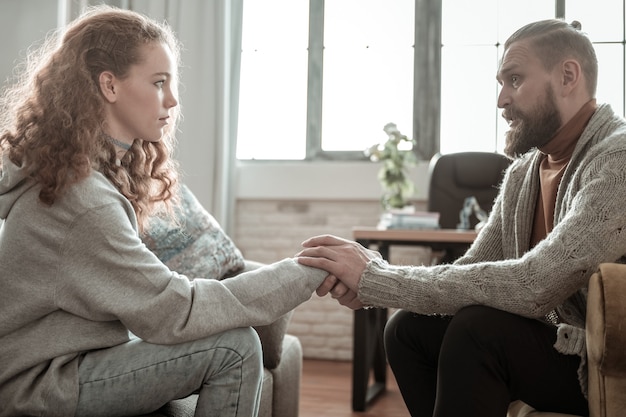
When I reflect on the dynamics of romantic relationships, one truth stands out vividly: emotional support is not just a nice-to-have; it’s essential. As men, we often grapple with the complexities of being emotionally available, particularly in a society that sometimes discourages us from expressing our feelings. Yet, understanding the emotional needs of our partners is a pivotal step toward cultivating deeper connections and intimacy.
By embracing the role of emotional supporter, we not only enhance our relationships but also transform ourselves in the process. This article aims to unravel the intricacies of how to support your partner emotionally. I invite you to explore this journey with me as we delve into practical strategies that empower us to forge stronger bonds and uplift one another.
Understanding Emotional Support
Emotional support refers to the empathy, care, and reassurance offered to individuals during difficult times. It plays a crucial role in building and maintaining healthy relationships, particularly for men who might struggle with expressing their emotions. In a society that often stigmatizes vulnerability, emotional support becomes a vital component for fostering connection and trust.
For men, who are often socialized to prioritize stoicism over emotional expression, understanding how to provide and receive emotional support is essential. This support not only enhances their relationships but also promotes mental well-being, allowing men to share their feelings without fear of judgment.
Incorporating emotional support can lead to greater intimacy and understanding between partners, paving the way for a healthier, more fulfilling relationship dynamic. Men who actively engage in offering emotional support create spaces where both partners can thrive.
Recognizing Your Partner’s Emotional Needs
Recognizing your partner’s emotional needs is a crucial aspect of building a healthy relationship. Common emotional needs include affection, appreciation, validation, and security. Understanding these needs requires keen observation and open communication. Look for signs such as expressions of joy or sorrow, body language, and verbal cues that hint at their emotional state.
Ask open-ended questions to encourage your partner to share their feelings. Listen actively and provide thoughtful responses to validate their experiences. This not only helps in identifying their emotional needs but also fosters a deeper connection between both of you.
Moreover, consider nonverbal cues—does your partner tend to lean in during conversations or withdraw when upset? Recognizing these patterns is pivotal in supporting your partner emotionally, leading to a more fulfilling relationship.
Take note of their reactions during various situations. For instance, if they seem overwhelmed after a long day, they might be in need of empathy and understanding. Providing a safe space for your partner to express their emotions is vital; it signals that you are attuned to their needs and genuinely care about their well-being.
Effective Communication Techniques

Another key technique is using “I” statements to communicate personal feelings without assigning blame. For example, saying “I feel overwhelmed when…” rather than “You make me feel overwhelmed” promotes a collaborative dialogue. Encouraging regular check-ins can also facilitate ongoing communication, allowing partners to share their feelings in a structured manner.
Moreover, practicing empathy by validating each other’s emotions enhances understanding. Reflective responses, such as summarizing what the other has said, can ensure clarity and demonstrate that both partners are genuinely invested in each other’s emotional well-being. Together, these strategies create a foundation for emotional support, leading to stronger, more resilient relationships.
Practical Ways to Show Support
Additionally, don’t hesitate to ask open-ended questions that invite deeper conversation. Questions like, “How did that make you feel?” can encourage your partner to share more about their experience. Such dialogues not only strengthen the emotional bond but also allow you to gain insights into their needs.
Another practical approach is to regularly check in with your partner about their well-being. Simple gestures, like sending a supportive text during their busy day, can remind them that you care. Encourage them to express themselves, making it clear that it’s okay to share both joys and struggles.
Furthermore, consider engaging in activities together that foster connection and relaxation. This can include anything from cooking a meal together to going for a walk, as shared experiences help to create a safe space for emotional expression.
Lastly, educate yourself about emotional struggles your partner may face, such as stress or anxiety. Understanding these issues can empower you to offer tailored support. By being proactive and present, you’ll not only show that you care, but also strengthen the foundation of your relationship.
Overcoming Barriers to Emotional Support
Frequently Asked Questions
Below are some common questions that may help deepen your understanding of emotional support in relationships.
- What are some effective ways for men to express vulnerability in a relationship?
- How can I improve my active listening skills to support my partner better?
- What specific communication techniques can help in understanding my partner’s emotional needs?
- How can societal expectations influence men’s emotional expression in relationships?
- What are some signs that my partner may need more emotional support?
Building Strong Emotional Bonds
In conclusion, supporting your partner emotionally is not just an act of kindness; it is a cornerstone of nurturing healthy relationships. By understanding emotional support and recognizing the specific needs of your partner, you’re actively participating in the growth and depth of your connection. Employing effective communication techniques opens doors to honest discussions, allowing both partners to feel valued and understood.
Implementing practical strategies to show support fosters a safe environment for vulnerability, essential for a thriving partnership. Despite the challenges men may face in this journey, overcoming these barriers is vital. By committing to this practice, you pave the way for long-term relationship benefits and personal growth, manifesting a profound transformation that enriches both your life and that of your partner.


